Artificial Intelligence Generated Images for Fashion and Retail
Jonathan Swead
Founder, Marketing Director
5 min read
Artificial Intelligence Generated Images for Fashion and Retail
Visual production in fashion and retail has reached a turning point. Traditional photoshoots demand significant budgets, lengthy timelines, and complex coordination across photographers, models, stylists, and locations. Brands face mounting pressure to produce more content across multiple channels while maintaining editorial standards.
Artificial intelligence generated images represent a fundamental shift in how fashion, jewellery, and retail brands create visual content. These AI-powered tools transform text descriptions into photorealistic imagery that matches the quality of professional photography. The technology has evolved from experimental novelty to commercial-grade production capability.
This transformation delivers measurable impact. Brands can reduce production investment by up to seventy-five percent while generating higher volumes of on-brand content. The speed and flexibility of AI image generation enable rapid testing, seasonal adaptations, and market-specific variations that traditional shoots cannot match economically.
Outer-Sphere operates as a creative AI lab specifically designed for fashion, jewellery, and retail brands. The service unlocks editorial-level ecommerce, social media, and campaign imagery without the traditional overhead of full-scale production shoots. For brands seeking to scale visual content while maintaining premium quality standards, AI-generated imagery has become a strategic production layer rather than a replacement technology.
What Are AI Generated Images?

AI-generated images emerge from sophisticated machine learning models trained on millions of photographs and artworks. These models learn the relationships between visual concepts, composition principles, lighting patterns, and stylistic elements. When given a text prompt, the AI system generates entirely new images that match the description.
The creation process begins with a detailed text prompt that describes the desired image. Fashion brands might specify elements like garment style, fabric texture, model pose, background environment, lighting mood, and camera angle. The AI model interprets this prompt and constructs a unique image based on its training.
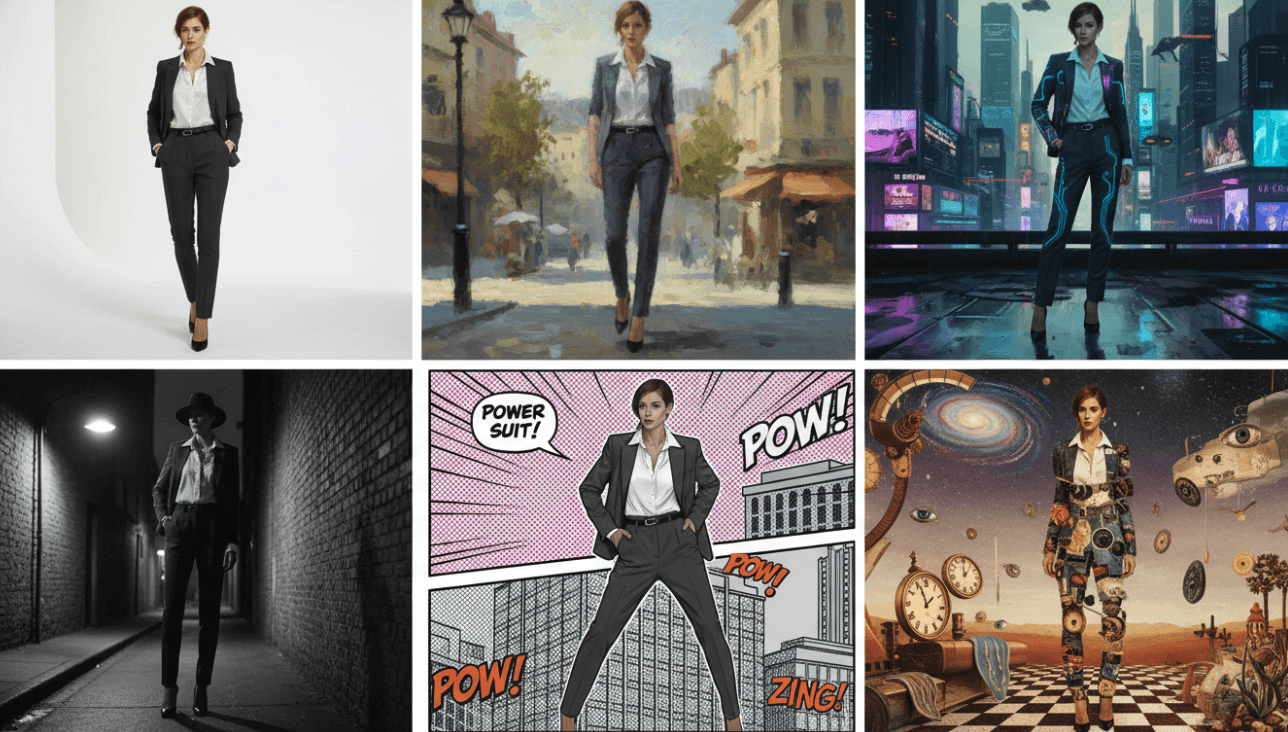
Modern AI photo generation has advanced far beyond experimental outputs. Current models produce images with accurate proportions, realistic lighting, natural textures, and coherent compositions. The technology handles complex scenarios including fabric drape, jewelry reflection, skin tones, and environmental integration with commercial-grade precision.
For ecommerce and editorial applications, AI-generated pictures deliver several key advantages. Brands can produce consistent visual styles across product lines, test multiple creative concepts simultaneously, and adapt imagery for different markets without additional shooting costs. The output quality now meets the standards required for professional fashion publications and high-end retail platforms.
Why Brands Are Turning to Creative AI
Traditional fashion photography requires substantial financial commitment. Location fees, model bookings, photographer rates, styling teams, equipment rentals, and post-production editing accumulate quickly. A single campaign shoot can consume tens of thousands of pounds before any images reach publication.
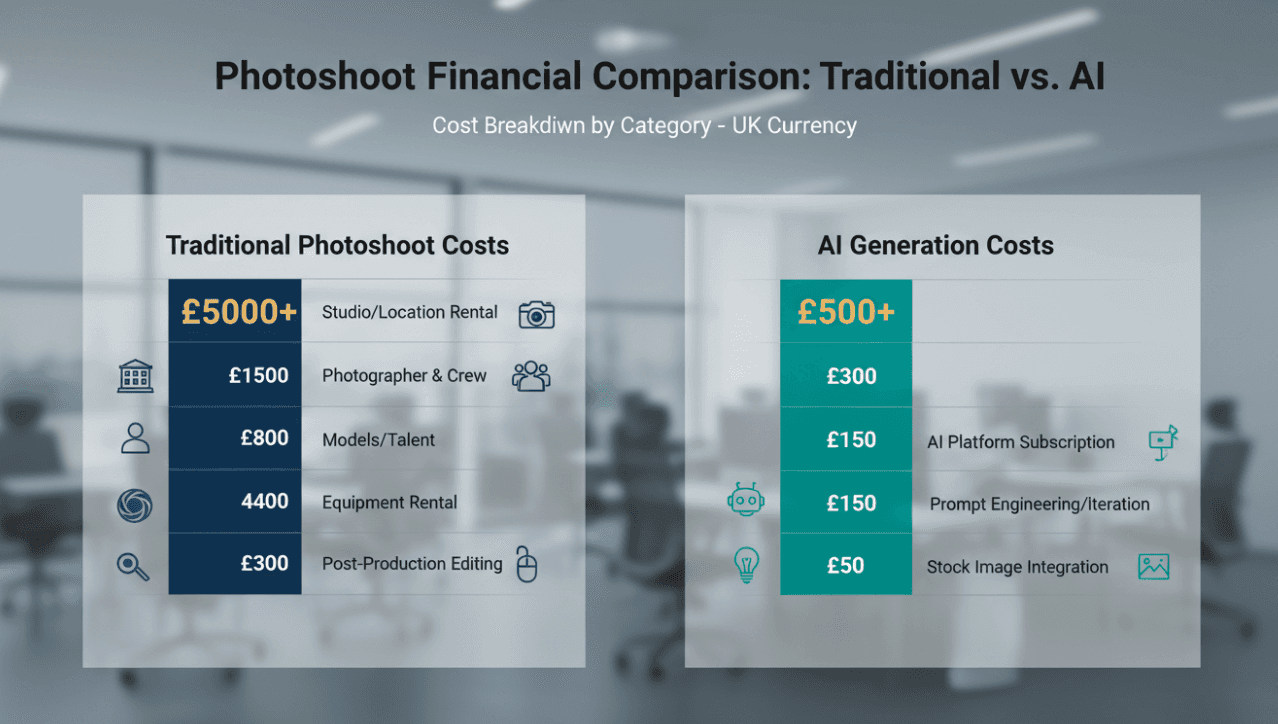
Creative AI fundamentally restructures these economics. Brands eliminate location scouting, travel logistics, crew coordination, and weather dependencies. The digital nature of AI generation removes physical constraints that drive traditional production expenses. This efficiency translates directly to reduced budgets without compromising visual quality.
The seventy-five percent reduction in production investment comes from eliminating multiple cost layers. No model agency fees, no studio rental charges, no equipment transportation, no styling budget, and no location permits. Post-production time decreases significantly as AI generates composition-ready images rather than raw photographs requiring extensive editing.
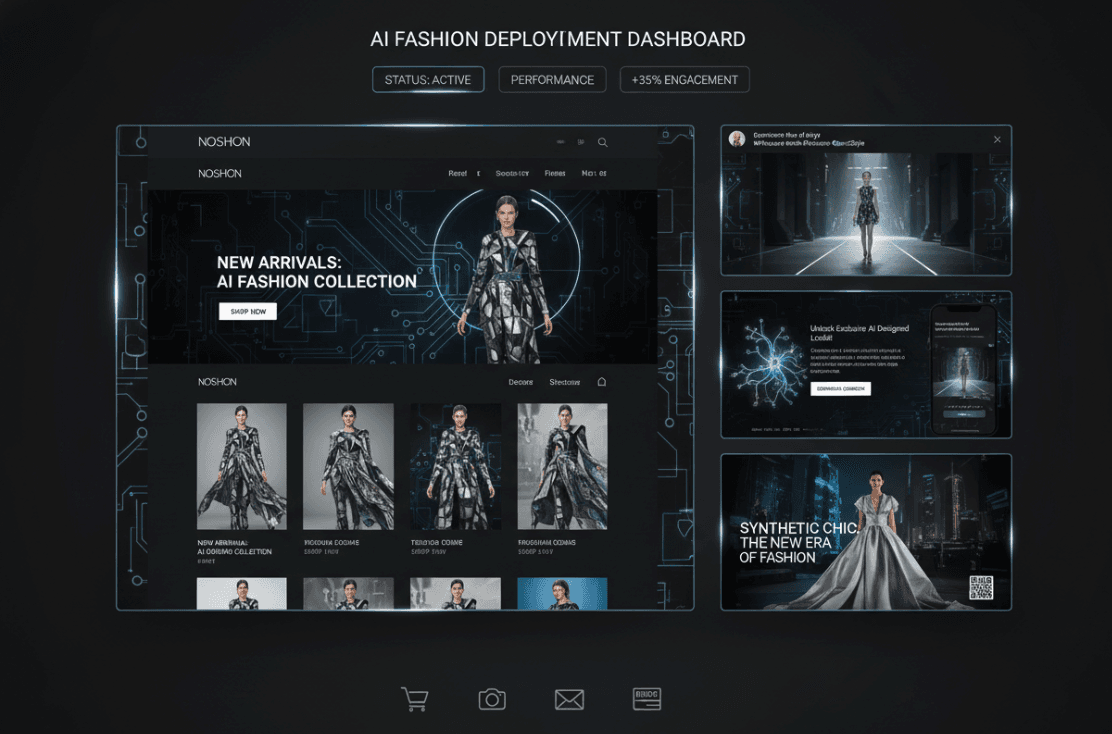
Speed represents another critical advantage. Traditional shoots require weeks of planning, scheduling, and execution, followed by editing time. Creative AI compresses this timeline from months to days or even hours. Brands can respond to trend shifts, test seasonal concepts, and launch market-specific campaigns with unprecedented agility.
This velocity enables greater creative experimentation. When testing new product presentations costs a fraction of what traditional methods do, brands can explore multiple visual approaches. A jewellery label might generate twenty different lifestyle contexts for a single piece, then select the highest-performing concepts for final production refinement.
AI becomes a strategic production layer that complements rather than replaces human creativity. Creative directors maintain full control over the concept, art direction, and brand standards while leveraging AI to efficiently execute visual variations. This partnership between human vision and AI execution defines the modern creative AI approach.
Fashion Brands Reduce Production Investment by Up to 75%
Calculate potential savings for your brand's visual content production with AI-generated imagery solutions.
Discover Your Savings Potential
How Fashion, Jewellery, and Retail Brands Use AI Imagery
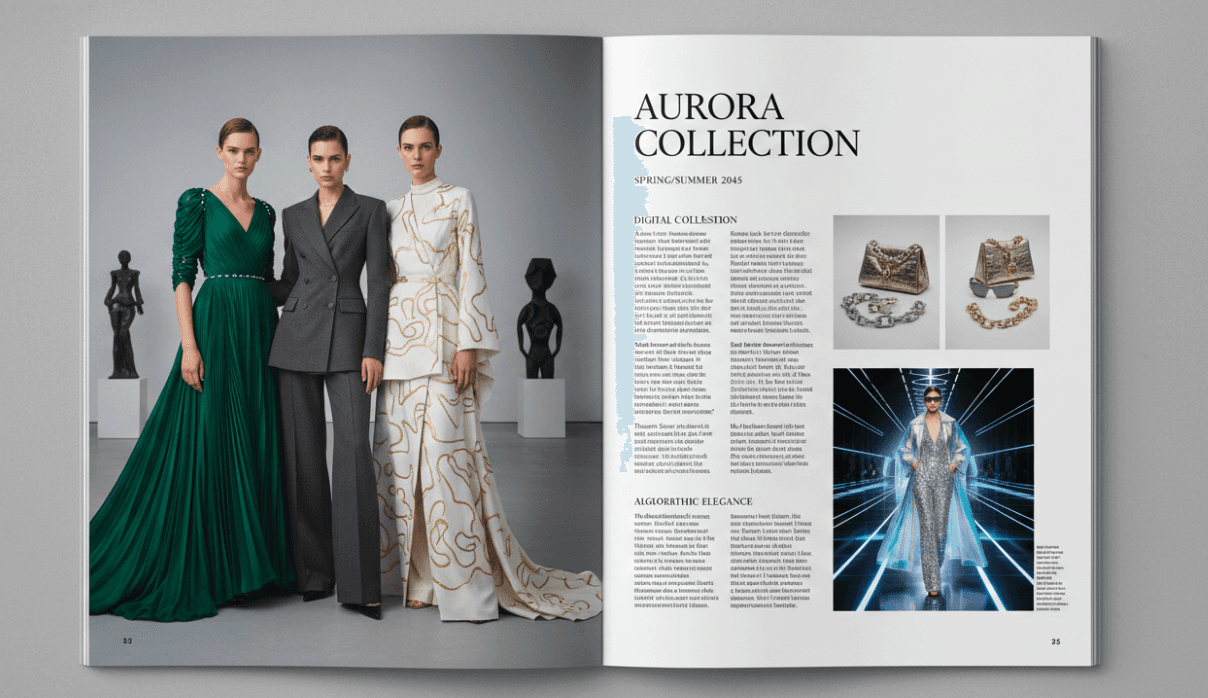
Editorial-Style Campaign Visuals
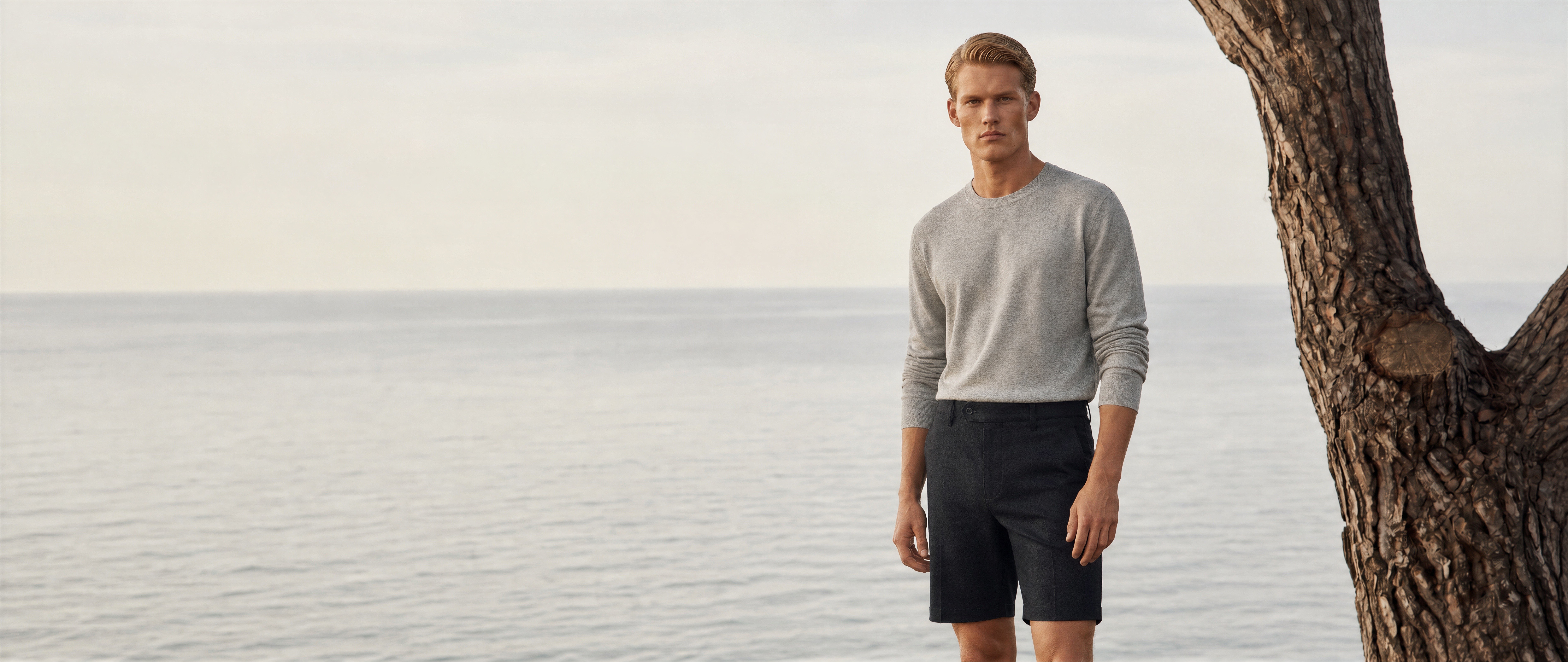
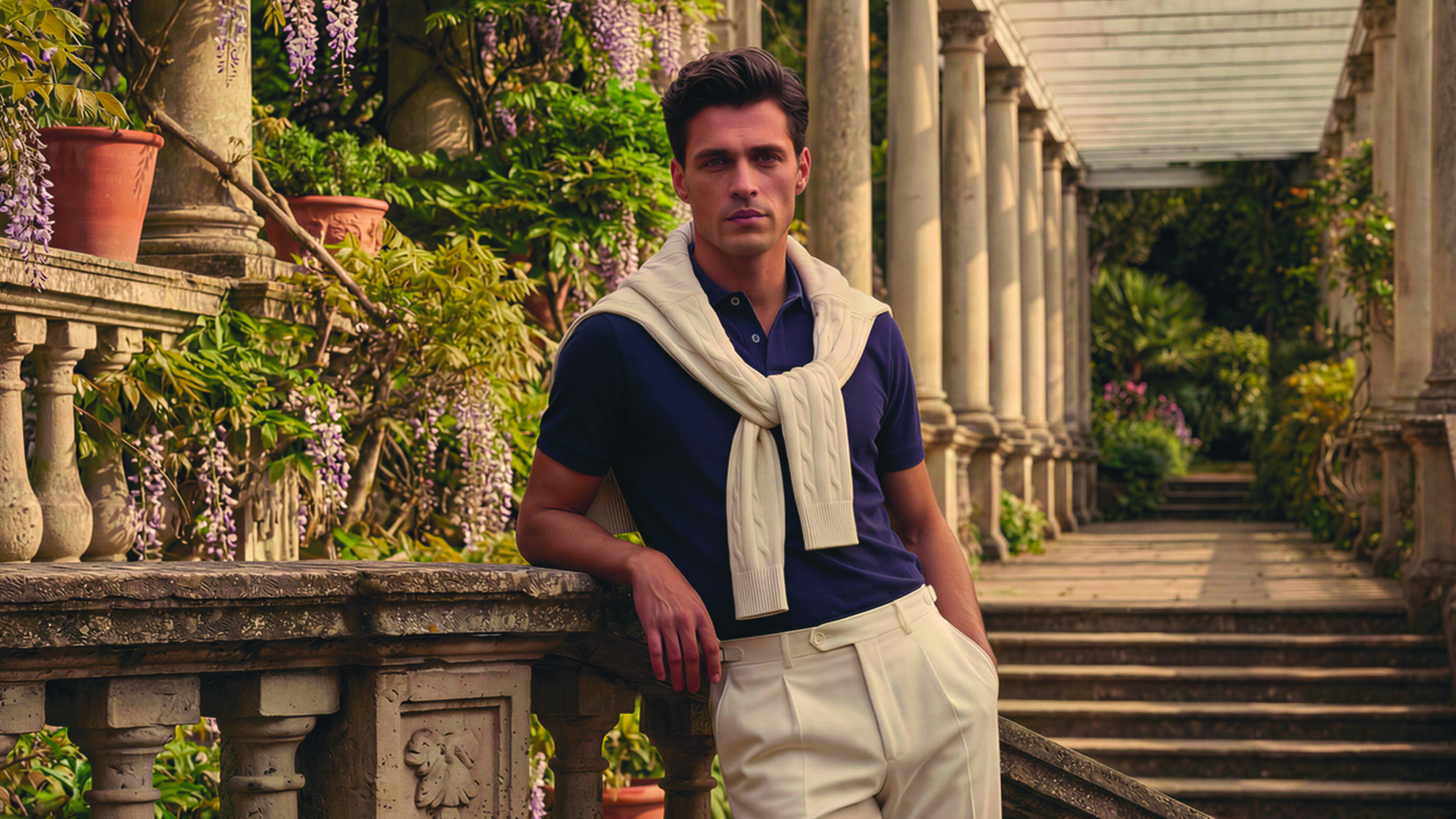
Campaign photography sets the brand tone and communicates seasonal narratives. AI-generated pictures enable brands to create editorial-quality campaign imagery without booking top-tier photographers or securing exotic locations. The technology produces visuals with the polish and sophistication expected in glossy magazine spreads.
Fashion labels use AI to explore multiple campaign concepts simultaneously. A brand might generate variations featuring different environments, lighting moods, styling approaches, and composition formats. This creative exploration happens before committing resources to final production, reducing risk and improving creative outcomes.
Ecommerce Imagery with On-Brand Consistency
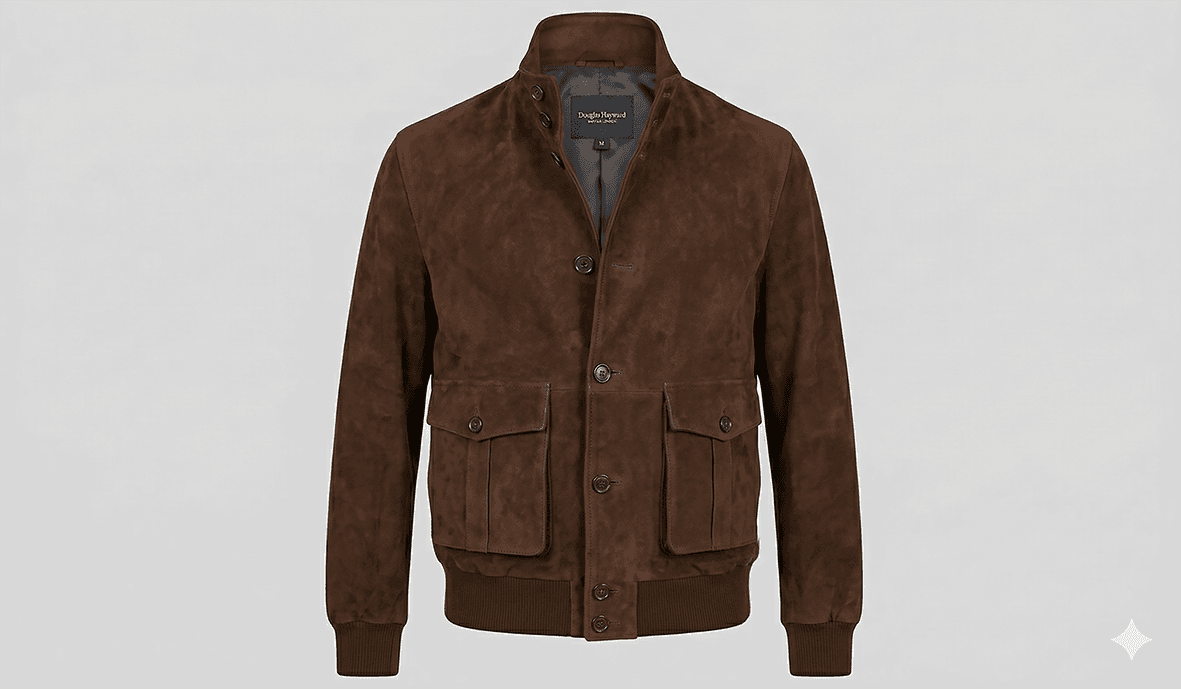
Online retail demands volume and consistency. Product catalogs require hundreds of images maintaining uniform lighting, backgrounds, and presentation standards. AI image generation delivers this consistency at scale while preserving the flexibility to adjust styling elements across different product categories.
Jewellery brands particularly benefit from AI's ability to render metallic surfaces, gemstone reflections, and intricate details with photorealistic precision. The technology handles the technical challenges of jewellery photography while enabling lifestyle context variations that help customers visualise products in real-world settings.
Social Content, Paid Ads, and Launch Assets
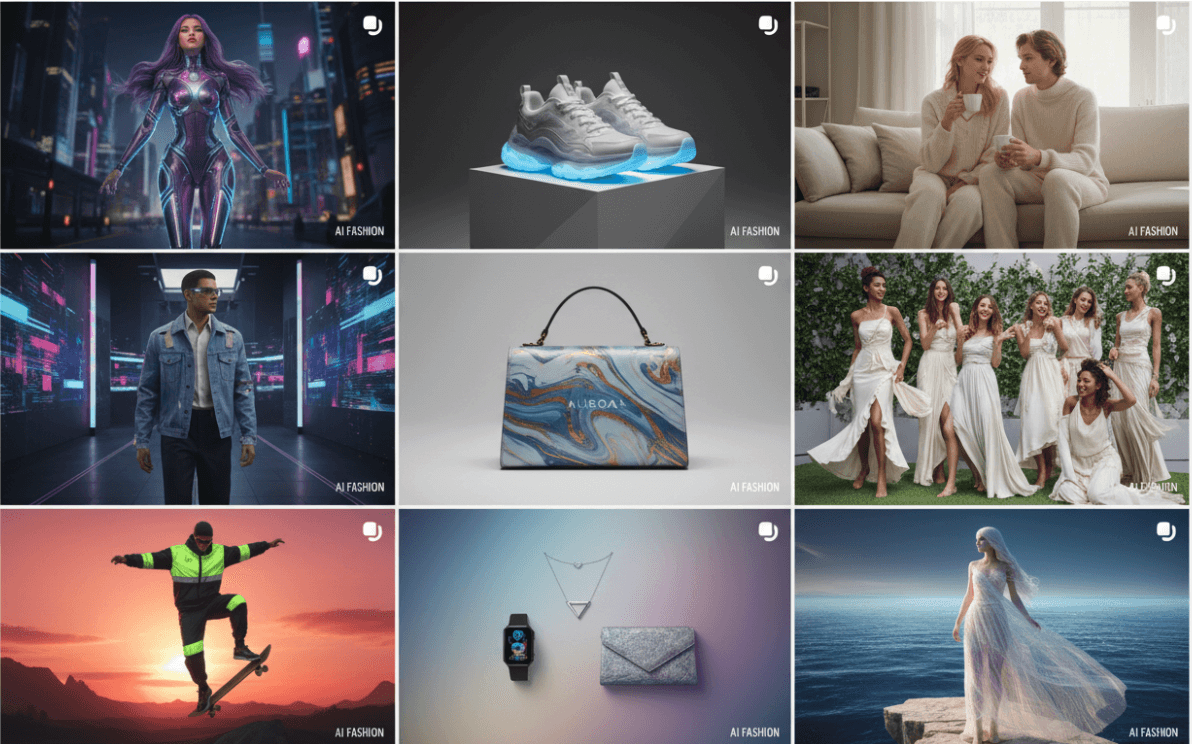
Social media platforms consume vast quantities of visual content. Brands need fresh imagery for organic posts, stories, reels, and paid advertising campaigns. AI generation supports this demand by producing platform-optimized content in various formats and aspect ratios without separate photoshoots for each requirement.
Paid advertising benefits from AI's ability to generate multiple creative variants for testing. Performance marketing teams can evaluate different hooks, backgrounds, product presentations, and calls-to-action across campaigns. This testing velocity improves ad performance metrics and reduces customer acquisition costs.

Product Storytelling for Seasonal Drops and Collections
New product launches require compelling visual narratives that connect emotionally with customers. AI-generated imagery enables brands to craft these stories by placing products in aspirational contexts that resonate with target audiences. The technology generates scenarios that would be prohibitively expensive to shoot traditionally.
Seasonal collections demand rapid production cycles that align with fashion calendars. AI compression of production timelines means brands can finalise designs closer to launch dates while still delivering complete visual assets across all channels. This agility provides competitive advantages in fast-moving fashion markets.
Fashion, jewellery, and retail categories benefit most from AI-generated pictures because these sectors require high visual content volumes, maintain strong aesthetic standards, and operate under constant pressure to refresh imagery. The combination of quality requirements and quantity demands makes AI generation particularly valuable for these brand categories.
Ad Creative AI for Performance Marketing
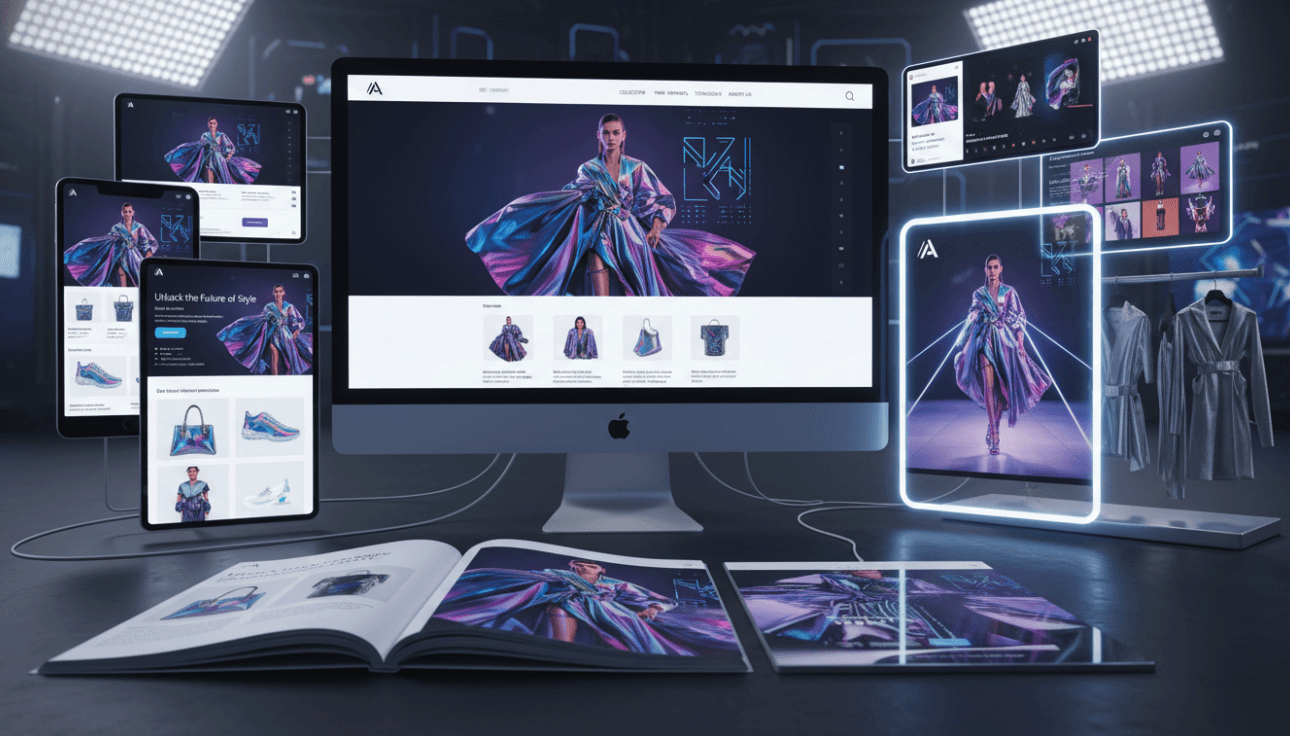
Performance marketing success depends on creative velocity and testing capacity. Brands that generate more creative variants discover winning combinations faster and optimise campaign performance more effectively. Ad creative AI transforms this equation by enabling rapid production of multiple campaign variations.

Traditional campaign production limits the testing scope. Shooting twenty different creative concepts requires substantial budgets and extended timelines. AI generation removes these constraints, allowing brands to explore diverse creative approaches within days rather than months. This expanded testing surface area reveals insights about audience preferences and messaging effectiveness.
Testing hooks represents a critical application. The first 3 seconds of video ads, or the initial visual impression of display ads, determine engagement. AI enables rapid generation of multiple opening hooks featuring different models, product angles, environments, and visual styles. Brands identify high-performing hooks through testing before scaling winning concepts.
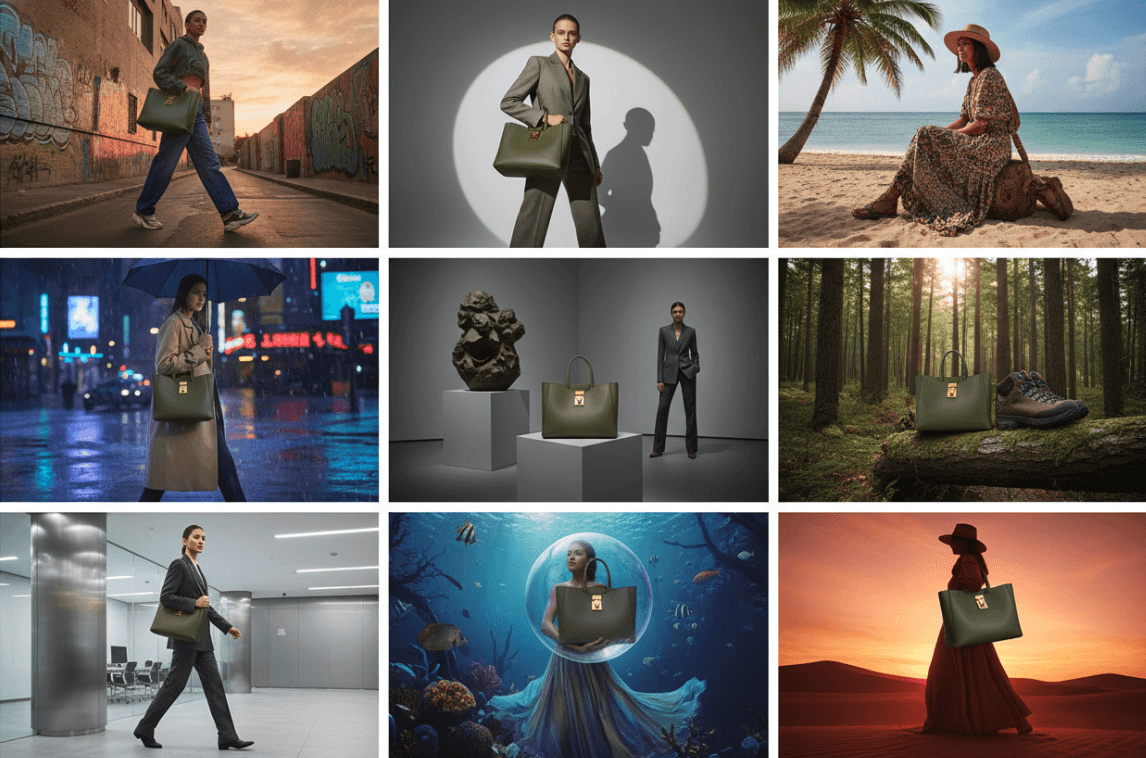
Backdrop and environment testing follow similar logic. Does the product perform better in minimal studio settings or rich lifestyle environments? Urban contexts or natural landscapes? AI generation produces these variations without location shoots, enabling data-driven decisions about visual context.
Styling and format variations further extend testing possibilities. Brands can evaluate different colour palettes, compositional approaches, cropping strategies, and visual densities. Each variation provides learning about what resonates with specific audience segments across different platforms.
The velocity advantage translates directly to improved advertising economics. Lower customer acquisition costs emerge from better-performing creative discovered through expanded testing. Faster creative iteration means brands adapt to platform algorithm changes and shifts in audience preferences more responsively.
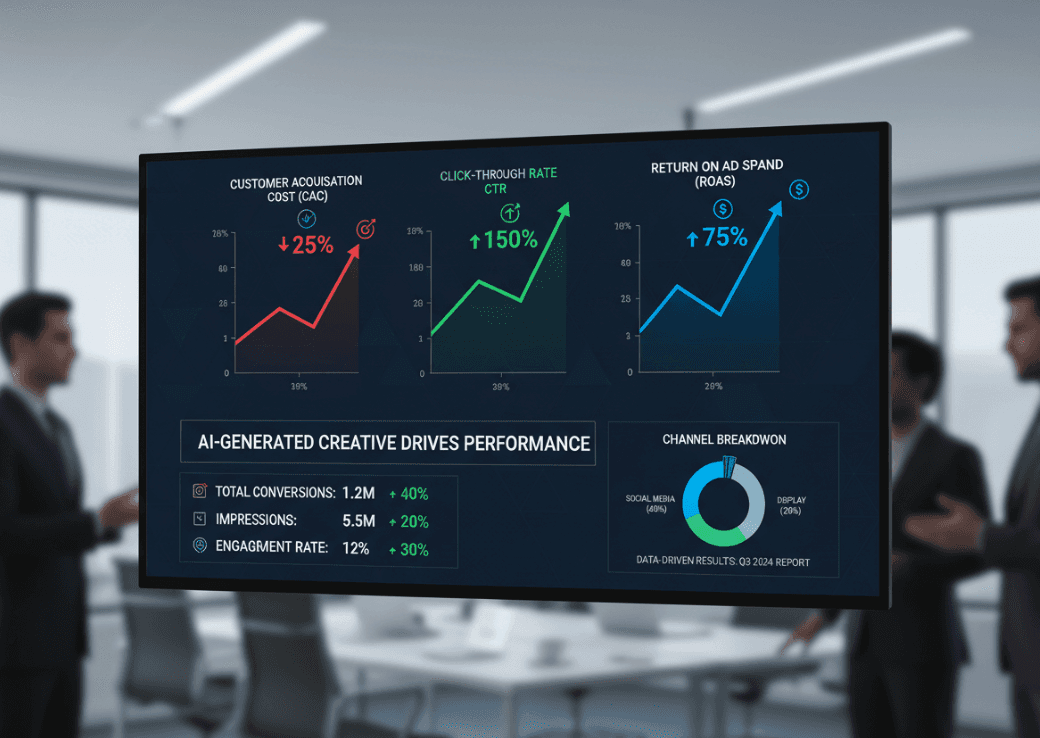
Outer-Sphere positions as a production partner for high-volume, high-quality output that supports performance marketing objectives. The lab model combines AI generation capabilities with creative expertise to ensure brand consistency across numerous campaign variants. This partnership approach delivers the required quantity for effective testing while maintaining the quality standards required for premium-brand presentation.
Creative velocity becomes a competitive advantage. Brands using ad creative AI can launch campaigns faster, test more aggressively, and optimise more continuously than competitors relying solely on traditional production methods. This operational advantage compounds over time as learning accumulates and creative processes refine.
Creative AI vs Traditional Production
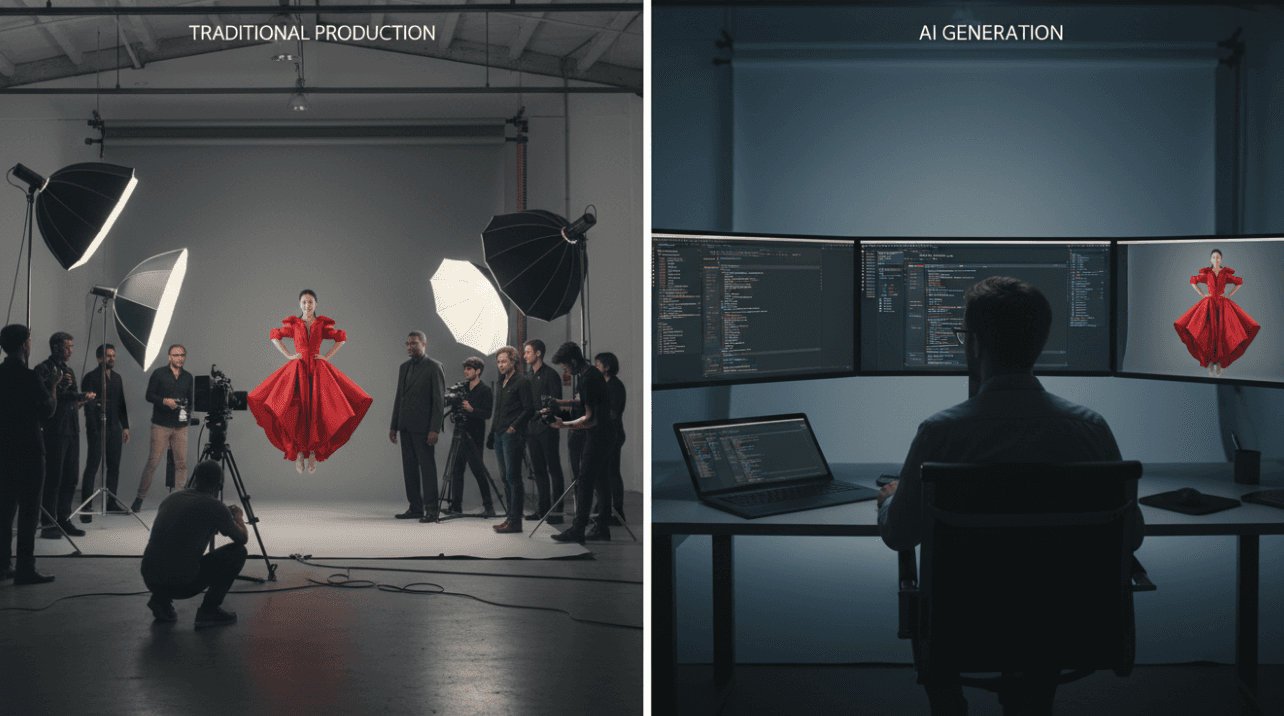
Understanding where AI generation excels and where traditional photography maintains advantages helps brands make strategic production decisions. The technologies serve complementary roles rather than representing pure replacement scenarios.
Cost Comparison
Traditional production carries fixed costs that make small-scale shoots economically inefficient. Studio rental, minimum crew rates, model day rates, and equipment packages create baseline expenses regardless of output volume. AI generation operates with variable costs that scale more favourably for both small and large projects.
The cost advantage increases with project scope. A hundred-image traditional shoot requires multiple shooting days, extensive crew hours, and substantial post-production time. AI generation produces the same quantity with dramatically lower resource requirements and compressed timelines.
Speed and Scalability
Timeline compression represents one of AI's most significant advantages. Traditional shoots require advance booking of personnel and locations, weather contingencies, and sequential shooting schedules. AI generation eliminates these dependencies, enabling brands to move from concept to final assets in days.
Scalability follows naturally. Generating one image or one thousand images requires a similar setup effort with AI systems. Traditional production scales linearly with output quantity, creating bottlenecks as content demands increase. This scalability difference becomes critical for brands managing large product catalogues or multiple simultaneous campaigns.
Flexibility and Iteration
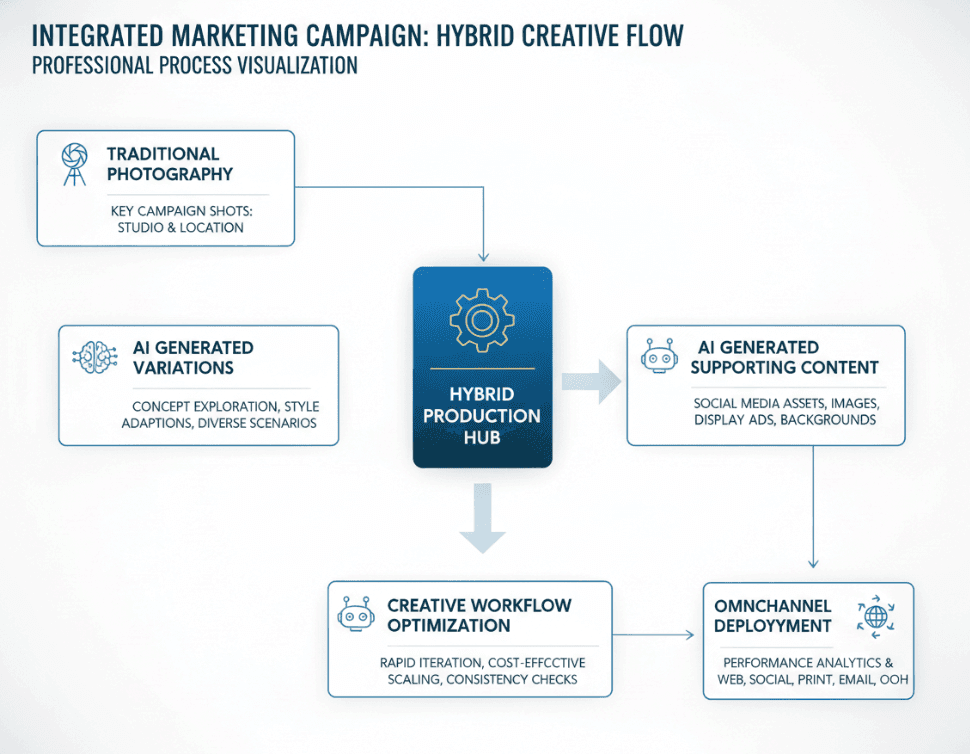
AI generation enables effortless iteration. Adjusting background colours, changing lighting moods, or modifying composition elements happens through prompt refinement rather than reshooting. This flexibility supports rapid creative exploration and responsive adaptation to feedback.
Traditional photography offers limited post-shoot flexibility. Major changes require additional shooting sessions, which entail associated costs and delays. AI's iteration capability makes it particularly valuable during creative development phases when concepts remain fluid.
Where Each Excels
Traditional photography retains advantages for hero campaign imagery that requires specific celebrity talent, unique physical locations, or complex practical effects. When brand narrative demands authentic human connection or showcases genuine craftsmanship, traditional production delivers irreplaceable value.
AI generation excels at producing volume content, testing creative concepts, generating variations, and creating imagery for secondary applications. The technology unlocks editorial-level e-commerce, social, and campaign imagery without traditional overhead for brands prioritising content velocity and production efficiency.
Factor | Traditional Production | Creative AI |
Cost per image | £500-£5,000+ | £50-£500 |
Production timeline | 4-12 weeks | 1-5 days |
Iteration flexibility | Limited, requires reshoots | High, prompt adjustments |
Volume scalability | Linear cost increase | Favorable scaling |
Quality consistency | Variable, crew-dependent | High, model-consistent |
Celebrity/specific talent | Fully supported | Not applicable |
Physical product photography | Required for samples | Concept visualisation |
Testing capacity | Limited by budget | Extensive, cost-effective |
Strategic brands employ both approaches based on specific project requirements. Hero campaign imagery might use traditional production, while supporting content, variations, and testing employs AI generation. This hybrid model optimises quality, cost, and production velocity across the complete content ecosystem.
Ready to Elevate Your Visual Production?
Discover how Outer-Sphere's AI creative lab delivers editorial-quality imagery for fashion, jewellery, and retail brands.
How Outer-Sphere Works
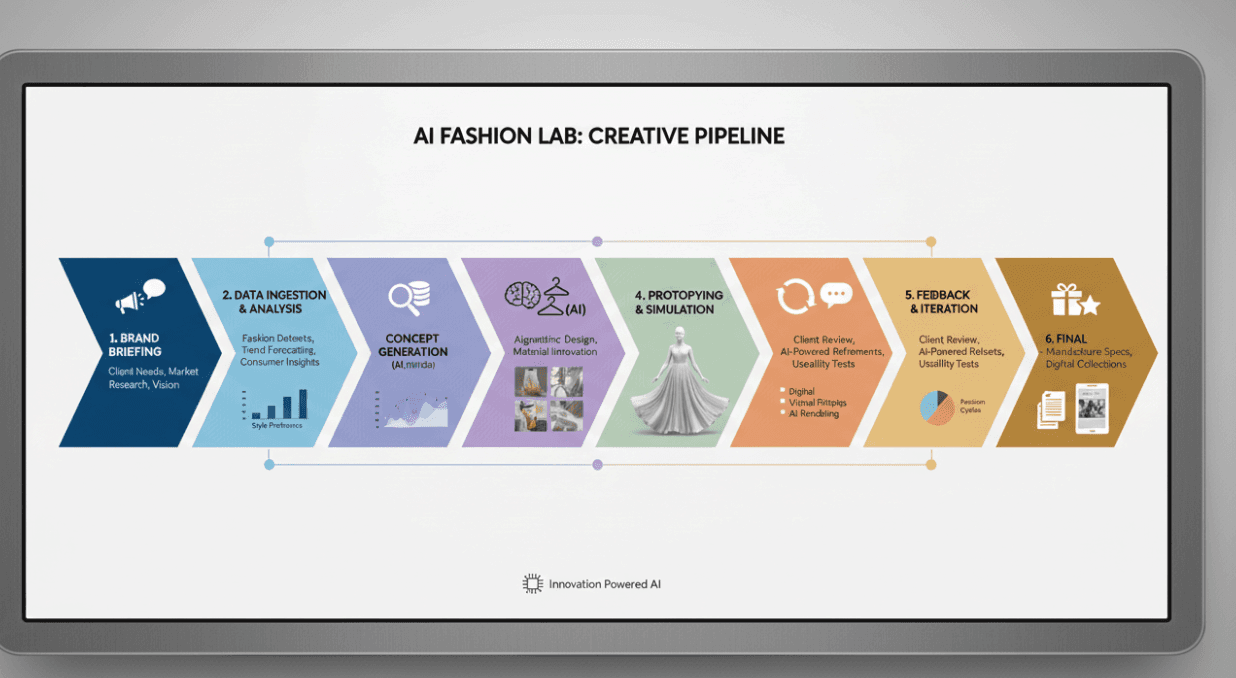
Outer-Sphere operates as a creative AI lab specifically engineered for fashion, jewellery, and retail brands. The service model combines advanced AI generation technology with creative expertise to deliver premium visual content that maintains brand standards while leveraging AI efficiency advantages.
Discovery and Creative Briefing
The process begins with understanding brand identity, visual standards, target audiences, and specific project objectives. This discovery phase establishes the creative parameters that guide AI-generated outputs to ensure they align with brand positioning and campaign goals.
Brands provide reference materials, including existing photography, style guidelines, colour palettes, and inspirational examples. These inputs train the AI generation process to reflect brand-specific aesthetic preferences, ensuring consistency with the established visual language.
Concept Development and Prompt Engineering
Creative specialists translate brand briefs into detailed generation prompts. This prompt engineering combines technical AI knowledge with creative direction expertise to produce outputs matching specific vision requirements. The process involves iterative refinement to achieve precise aesthetic control.
Multiple concept directions emerge during this phase. Brands review initial generations and provide feedback that shapes subsequent iterations. This collaborative approach ensures creative alignment before full production begins.
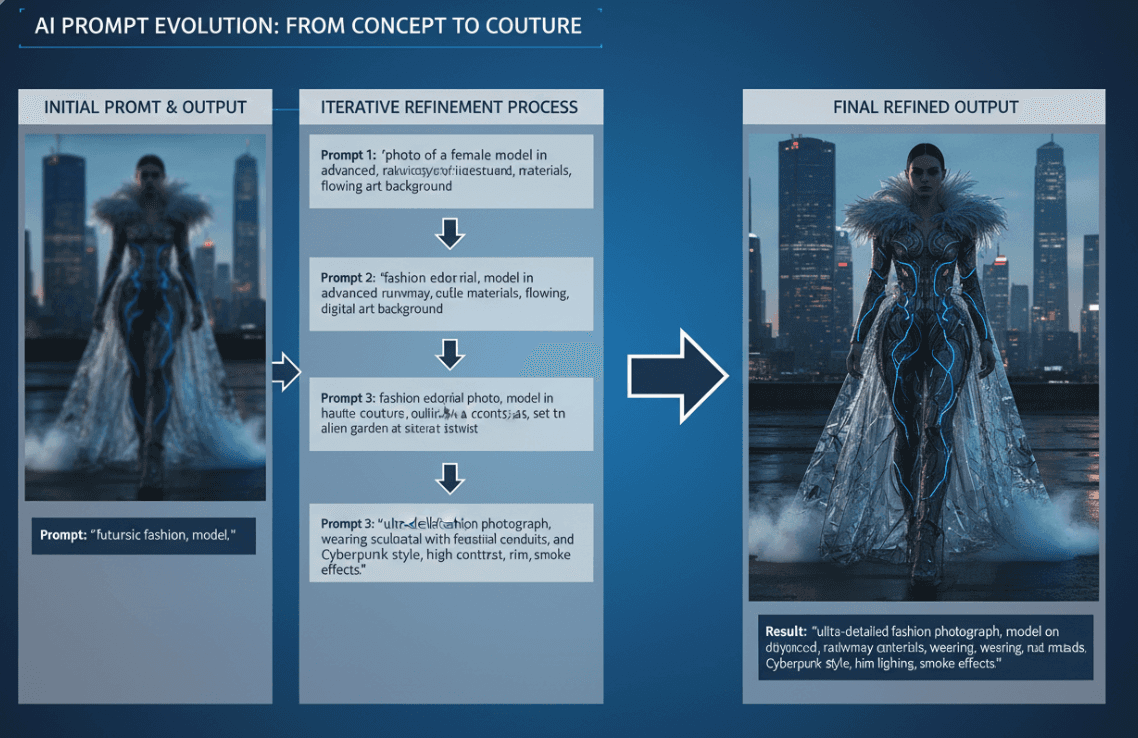
Generation and Quality Refinement
Production phase generates imagery at scale using approved creative directions. Advanced AI models produce high-resolution outputs with attention to lighting, composition, texture, and detail quality. Each image undergoes quality assessment to ensure commercial-grade standards.
Refinement processes address specific quality requirements. Colour correction, composition adjustments, detail enhancement, and brand element integration happen through both AI tools and traditional editing techniques. The hybrid approach delivers outputs meeting publication standards across all intended channels.
Delivery and Asset Management
Final deliverables include properly formatted images for each intended use case. E-commerce assets arrive in platform-specific dimensions, social media content in appropriate aspect ratios, and campaign imagery in print-ready resolutions. This delivery preparation ensures immediate deployment without additional formatting work.
Brands receive organised asset libraries with clear naming conventions and metadata tags. This structure supports efficient content management and enables quick retrieval when deploying imagery across multiple marketing channels.
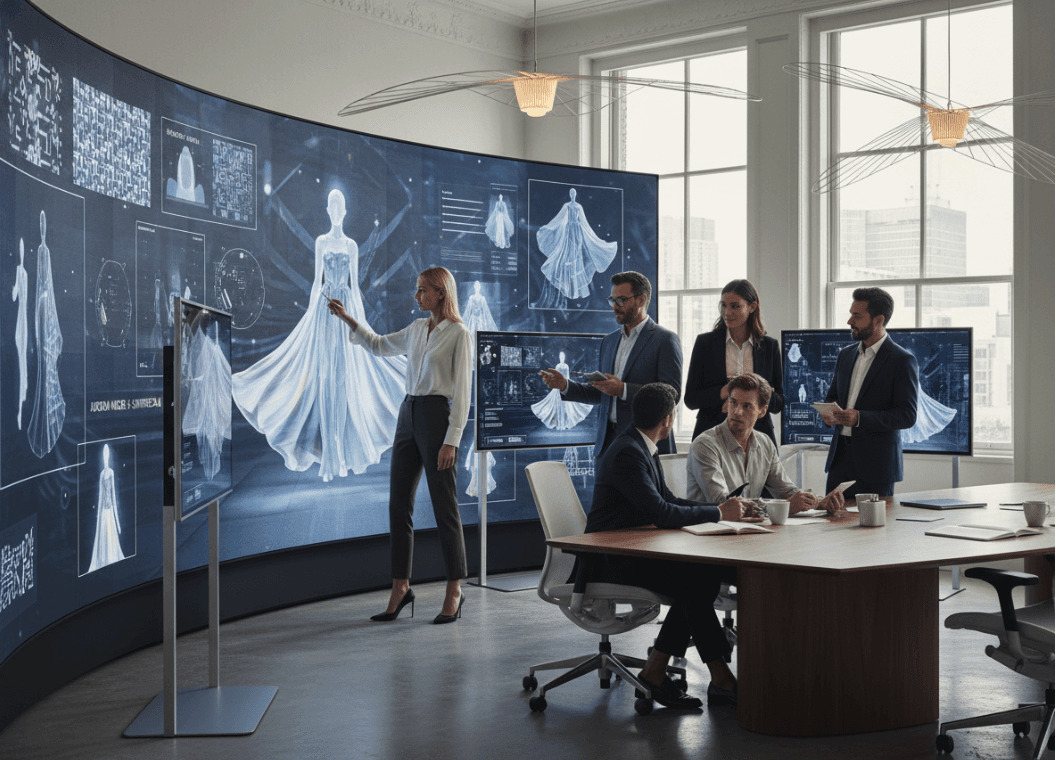
Outer-Sphere Labs positions itself to serve fashion, jewellery, and retail teams that require premium output with rapid turnaround. The lab model provides dedicated creative support rather than self-service tools, ensuring brands receive strategic guidance alongside technical execution capability.
This partnership approach addresses the reality that effective AI generation requires specialised expertise. Brands gain access to constantly evolving AI capabilities without needing to build internal technical knowledge or navigate complex tool ecosystems.
The Future of AI-Generated Pictures
AI image generation technology continues to advance at a remarkable pace. Current development trajectories point toward several significant capabilities that will reshape creative production over the coming years.
Realism and Technical Quality
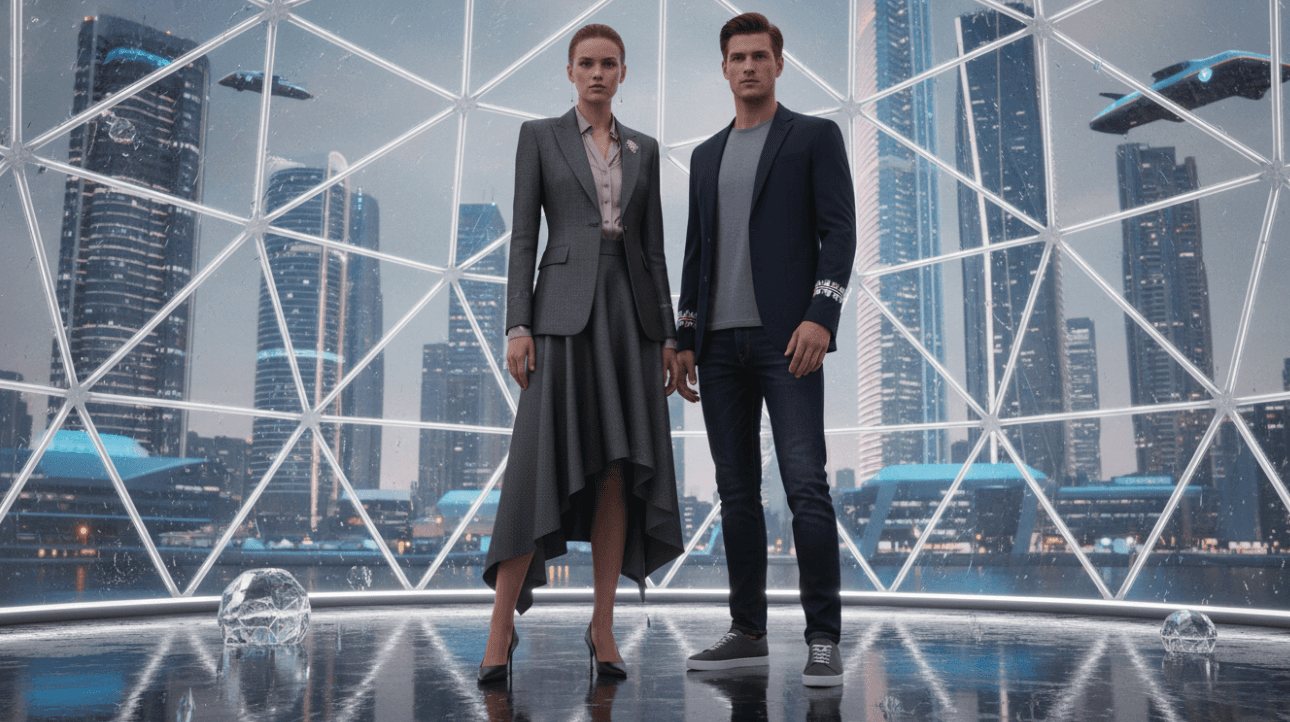
Improvements in photorealism continue to narrow the gap between AI-generated and traditionally photographed images. Enhanced understanding of physics-based lighting, material properties, and anatomical accuracy drives this evolution in quality. Future models will render fabric textures, jewellery reflections, and skin tones with even greater fidelity.
Resolution capabilities expand alongside quality improvements. Higher output resolutions enable use in larger-format applications, including outdoor advertising, retail environments, and high-end print publications. This resolution increase removes the remaining technical barriers to AI adoption in premium-brand contexts.
Personalisation and Dynamic Content
Emerging capabilities enable personalised imagery generation at scale. Brands could produce product photography customised to individual customer preferences, regional markets, or demographic segments. This personalisation extends beyond simple product swaps to encompass styling, environments, and aspirational contexts tailored to specific audiences.
Dynamic content generation will support real-time creative adaptation. Advertising imagery could adjust based on weather conditions, local events, trending topics, or individual browsing behaviour. This responsiveness creates more relevant brand experiences while maintaining visual quality standards.
Workflow Automation and Integration
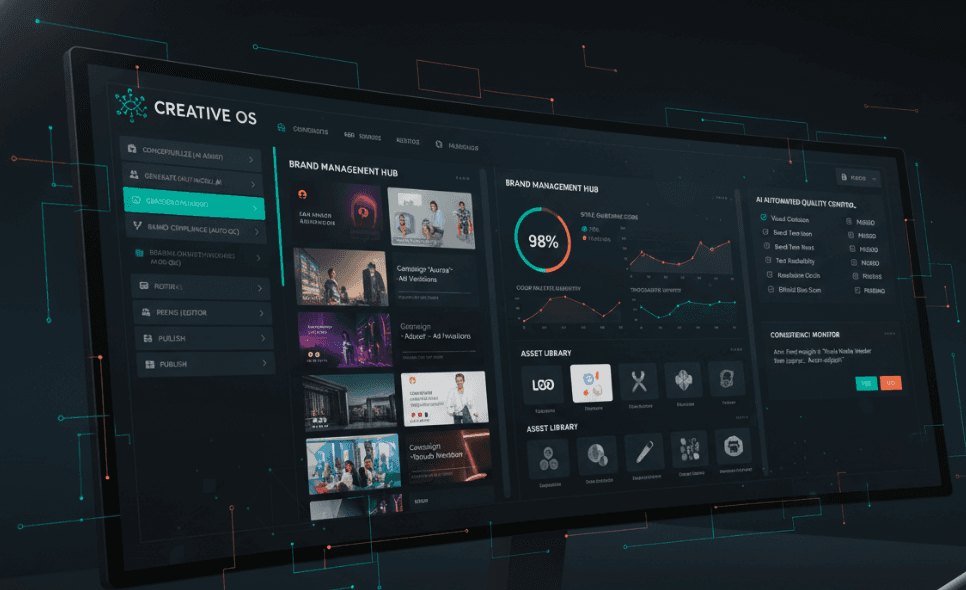
AI generation is increasingly integrated into broader creative workflows and marketing technology stacks. Automated processes will connect product databases with image generation, creating complete visual catalogues from technical specifications. This automation reduces manual coordination while maintaining creative control through predefined brand parameters.
Brand control systems will enable governance at scale. Creative teams can establish visual boundaries, approved style ranges, and quality thresholds that guide automated generation. This combination of automation and control ensures efficiency without sacrificing brand consistency.
Ethical Considerations and Authenticity
Industry conversations around disclosure and authenticity continue evolving. Transparency standards may emerge requiring brands to identify AI-generated content in certain contexts. Progressive brands will navigate these considerations by establishing clear policies around AI usage and disclosure.
Authenticity concerns drive demand for hybrid approaches combining AI efficiency with human creativity and strategic direction. The future likely involves AI handling execution while humans maintain creative vision, strategic positioning, and brand authenticity.

Early adoption provides competitive advantages as the technology matures. Brands developing AI production capabilities now build organisational knowledge, refine workflows, and establish market positioning while competitors delay. This first-mover advantage compounds as AI capabilities expand and become more sophisticated.
The trajectory points toward AI becoming standard infrastructure in fashion and retail creative production. Brands that integrate these capabilities strategically will operate with structural cost advantages, greater creative agility, and superior content velocity compared to those maintaining purely traditional approaches.
Frequently Asked Questions
What quality level can artificial intelligence-generated images achieve for fashion brands?
Modern AI image generation produces commercial-grade quality suitable for editorial publications, e-commerce platforms, and premium advertising campaigns. The technology renders realistic lighting, accurate textures, proper proportions, and sophisticated compositions that meet professional photography standards. Fashion brands successfully use AI-generated imagery across all marketing channels, including high-end print publications.
How do AI-generated images reduce production costs by seventy-five per cent?
Cost reduction comes from eliminating multiple traditional production expenses, including model fees, photographer rates, studio rentals, location costs, travel logistics, styling teams, equipment rentals, and extended post-production editing. AI generation removes these fixed costs while delivering comparable output quality. The technology enables brands to produce higher volumes of content within smaller budgets.
Can jewellery brands achieve accurate rendering of metals and gemstones using creative AI?
Advanced AI models handle the technical challenges of jewellery photography, including metallic reflections, gemstone refraction, intricate details, and surface textures. The technology produces photorealistic renderings of precious metals and stones with accuracy suitable for e-commerce and campaign usage. Jewellery brands use AI generation for both product photography and lifestyle context imagery.
How quickly can brands generate campaign imagery using AI compared to traditional photoshoots?
AI generation compresses production timelines from months to days or hours. Traditional campaign shoots require weeks to plan, schedule, execute, and edit. Creative AI eliminates scheduling dependencies, location logistics, and weather contingencies. Brands can move from creative concept to final deliverable assets within days while maintaining quality standards required for professional campaign launches.
What types of visual content work best with ad creative AI for performance marketing?
Ad creative AI excels at producing multiple campaign variants for testing hooks, backgrounds, styling approaches, and compositional formats. The technology enables rapid generation of creative alternatives for A/B testing across paid advertising channels. Performance marketing teams use AI to explore diverse visual concepts, identify high-performing creative elements, and optimise campaigns based on data-driven insights rather than budget constraints.
Transform Your Fashion and Retail Imagery
Artificial intelligence-generated images represent more than technological novelty. The capability delivers measurable commercial value through reduced production costs, accelerated creative timelines, and expanded testing capacity. Fashion, jewellery, and retail brands gain strategic advantages by integrating AI generation into their visual content production workflows.
The 75% reduction in production investment enables brands to reallocate resources toward strategy, market expansion, and improvements in customer experience. Lower costs combined with faster turnaround create operational efficiency that compounds across seasonal cycles and product launches.
Quality standards have reached commercial viability. AI-generated imagery now meets the editorial and e-commerce requirements of premium brands without compromising aesthetic standards. The technology handles complex creative challenges, including fabric rendering, jewellery photography, lifestyle contexts, and maintaining brand consistency.
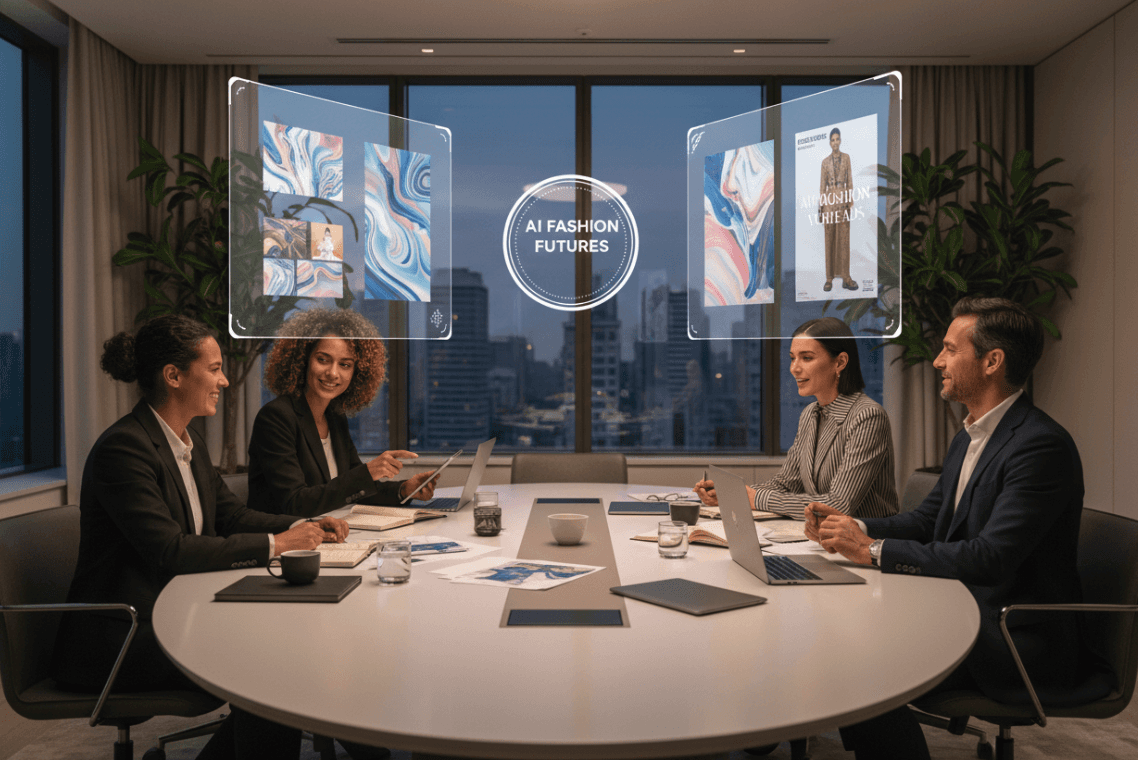
Outer-Sphere positions as the creative AI lab specifically designed for fashion, jewellery, and retail sectors. The service combines AI generation technology with creative expertise to deliver editorial-level imagery without traditional production overhead. This partnership approach ensures brands receive strategic guidance alongside technical execution capability.
Early adoption provides competitive positioning advantages. Brands developing AI production capabilities now build organisational knowledge and workflow efficiency as the technology continues to advance. This strategic investment pays dividends as content demands increase and market competition intensifies.
The future of fashion and retail visual production integrates AI generation as standard infrastructure. Brands that embrace this transformation strategically will operate with structural advantages in cost efficiency, creative agility, and content velocity. The question shifts from whether to adopt AI generation to how quickly brands can implement these capabilities effectively.
Transform Your Fashion and Retail Imagery with Outer-Sphere's AI Creative Lab
Discover how to cut production costs by up to 75% while elevating visual quality across all marketing channels. Our team helps fashion, jewellery, and retail brands unlock editorial-level content without traditional overhead.
Email: jonathan@outer-sphere.com

Cross the threshold. Enter the fold of uncompromising visionaries.
By submitting, you agree to our Terms and Privacy Policy.