Ad Creative AI for Fashion & Luxury Brands

Jonathan Swead
Marketing Consultant
7 min read
Transform your campaign production with ad creative ai built specifically for premium brands. Outer-Sphere delivers hyper-realistic AI-generated ad creatives that maintain your brand's creative vision while dramatically accelerating speed to market and reducing production costs.
Scale your creative testing, launch campaigns faster, and unlock unlimited variations without traditional photoshoot constraints. Our proprietary AI model understands fashion, luxury aesthetics, and e-commerce performance requirements.
Call Jonathan on 07736 289047
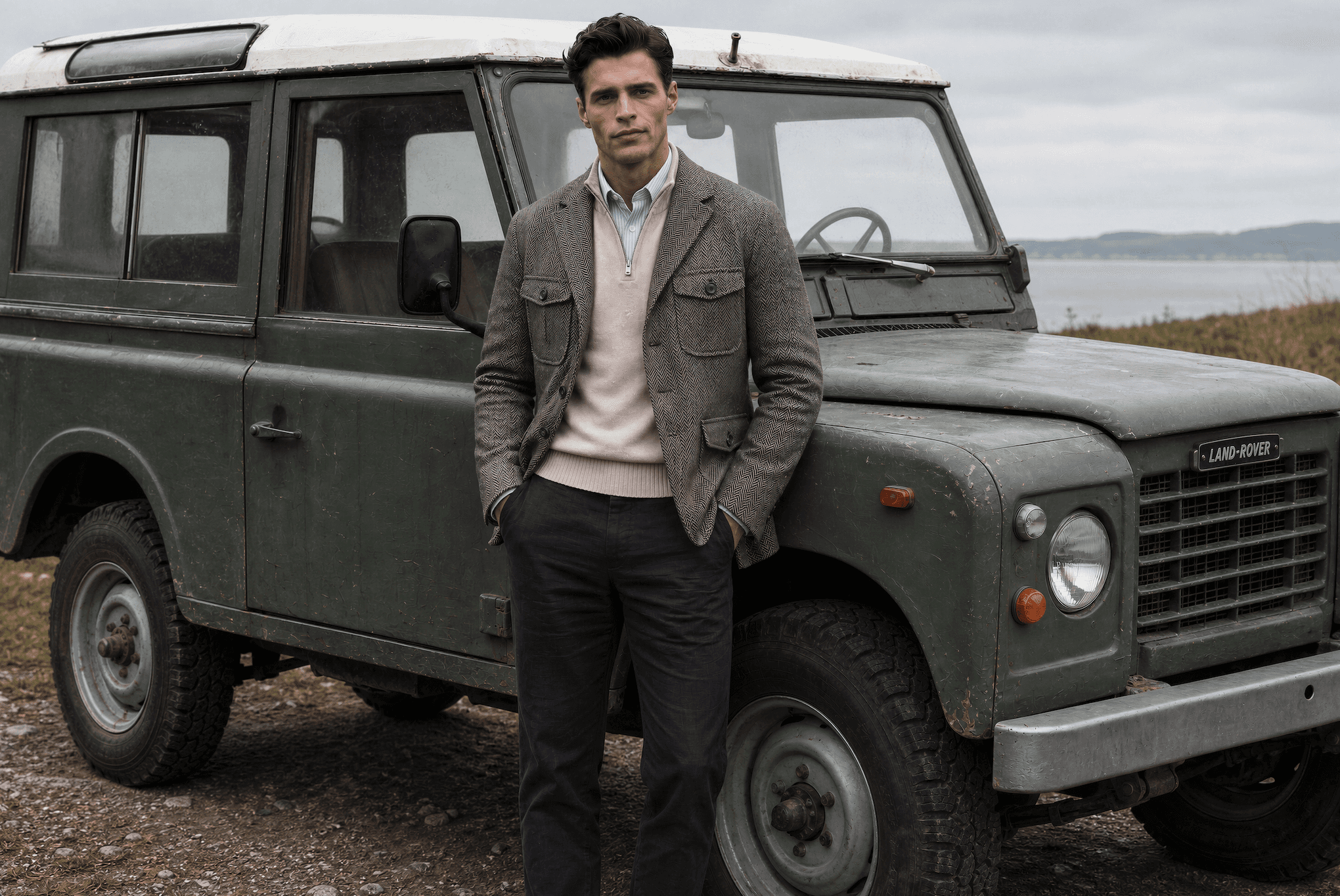
Ad creative AI represents a fundamental shift in how brands produce advertising visuals. Rather than replacing human creativity, this technology amplifies your creative direction through intelligent automation and rapid iteration capabilities.
At its core, Ad Creative AI uses advanced machine learning to generate campaign-ready advertising visuals based on your brand guidelines, product assets, and creative briefs. The process transforms weeks of traditional photoshoot planning, execution, and post-production into days or even hours.
For marketing teams managing multiple campaigns across platforms like Meta, Google, and TikTok, this technology solves critical problems. Traditional photoshoots require significant time commitments, extensive coordination between photographers, models, stylists, and locations, plus substantial budget allocation per shoot.
The creative ai approach changes this equation entirely. Brands can now generate dozens of ad variations for A/B testing without additional photoshoot costs. Product launches no longer wait for sample availability because visuals can be created before physical inventory exists.
How AI Transforms Ad Production Workflows
Modern ad creative workflows face constant pressure from performance marketing demands. Algorithms favour fresh creatives, requiring regular new assets to maintain campaign performance. Seasonal campaigns need rapid deployment across multiple markets and formats.
Creative ai addresses these challenges by enabling marketing teams to produce unlimited variations from a single creative direction. A fashion brand launching a new collection can generate hero ads, carousel images, story formats, and product-focused creatives simultaneously.
This technology particularly excels in scenarios requiring scale. Regional market adaptation, seasonal variations, and platform-specific sizing traditionally consumed significant production resources. Now these tasks happen through AI-powered iteration rather than repeated photoshoots.
Evolution of Creative, Not Replacement
Understanding ad creative ai requires recognising what it enhances versus what it replaces. This technology excels at execution speed, variation generation, and production efficiency. It cannot replace strategic creative thinking, brand positioning expertise, or art direction vision.
The most successful implementations pair human creative leadership with AI execution capabilities. Creative directors define visual language, mood, composition, and brand expression. The AI model then generates multiple executions within those parameters.
This partnership model allows brands to maintain rigorous creative standards while achieving production velocity previously impossible. Marketing teams review, refine, and select from AI-generated options rather than commissioning entirely new shoots for each variation needed.
Explore AI Creative for Your Brand
Discover how ad creative ai can transform your campaign production process. Jonathan and the Outer-Sphere team specialise in fashion and luxury applications, ensuring your brand standards remain uncompromised while gaining unprecedented production flexibility.
Creative AI in Practice
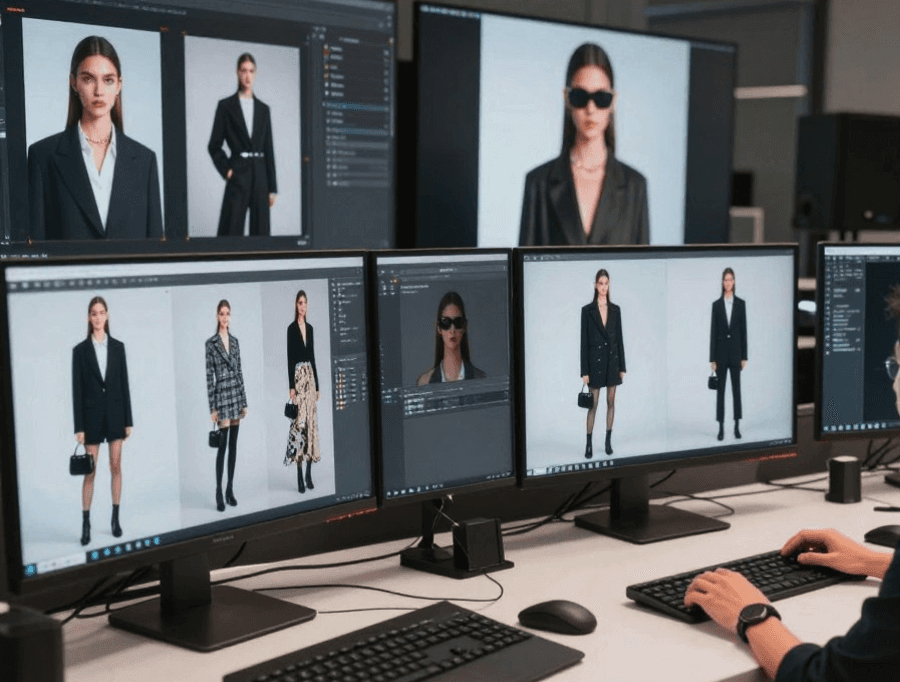
Creative ai fundamentally changes how brands approach campaign ideation, execution, and optimization. Rather than linear production processes where each creative requires separate resources, this technology enables parallel creation of multiple directions simultaneously.
The practical application begins with creative briefing. Marketing teams define campaign objectives, target audience, key messages, and visual direction just as they would for traditional production. The difference emerges in execution speed and variation capabilities.
A single creative brief can generate 20, 50, or 100 different executions exploring various compositions, styling approaches, and product presentations. This abundance allows performance marketers to test hypotheses about what resonates with audiences rather than guessing based on limited creative options.
AI and Creativity: The Partnership Model
The relationship between ai and creativity works best when understood as collaborative rather than competitive. Human creativity provides strategic direction, brand intuition, and cultural understanding. AI creative technology provides execution speed, variation generation, and production efficiency.
This partnership manifests in practical workflows where creative directors sketch concepts, define mood boards, and establish visual parameters. The AI model then interprets these directions to generate multiple executions maintaining consistent brand DNA while exploring compositional variations.
Fashion brands particularly benefit from this approach because collections inherently require extensive creative expression across numerous products, looks, and styling approaches. Traditional photoshoots capture what fits within time and budget constraints. AI creative extends this to capture everything the brand envisions.
Enhancing Ideation Through Rapid Visualization
One unexpected benefit of ai creative technology involves ideation acceleration. Creative teams can rapidly visualize concepts that previously required extensive discussion or mood board creation to communicate effectively.
This capability transforms creative review sessions. Rather than debating whether an idea will work, teams can see multiple interpretations within minutes. This visual feedback loop accelerates decision-making and improves alignment between stakeholders.
For brands managing global campaigns, this speed enables regional customisation without compromising brand consistency. Marketing teams can visualise how core creative concepts adapt to different markets, cultural contexts, or seasonal themes before committing production resources.
Variation and Execution at Scale

Performance marketing thrives on creative variation. Algorithms optimize toward fresh, engaging content, meaning successful campaigns require constant creative refreshment. This demand conflicts directly with traditional production timelines and budgets.
Ad creatives ai solves this tension by enabling unlimited variation from existing creative foundations. A successful hero image can spawn 30 variations testing different headlines, compositions, colour treatments, or product focuses without additional photoshoot investment.
This capability proves particularly valuable for e-commerce brands running always-on advertising across multiple platforms. Each platform demands specific creative formats, aspect ratios, and content approaches. AI creative generation handles this technical adaptation while maintaining brand consistency.
Brand Consistency Across Channels
Maintaining visual consistency across diverse marketing channels represents a significant challenge for growing brands. Traditional production often creates distinct creative assets for each channel, resulting in fragmented brand presentation.
Creative ai technology addresses this through learned brand understanding. By training on your specific brand guidelines, previous campaigns, and approved imagery, the AI model internalizes your visual language and applies it consistently across all generated content.
This consistency extends beyond surface aesthetics to encompass lighting approaches, composition styles, colour palettes, and mood. Marketing teams gain confidence that AI-generated creatives maintain brand integrity whether used for Meta ads, Google Shopping campaigns, or TikTok content.
Art Direction in the AI Era
Far from diminishing the importance of art direction, ai creative technology elevates its strategic value. Art directors shift focus from execution oversight to strategic creative vision, defining the parameters within which AI operates.
This evolution requires art directors to think systematically about brand visual language, translating intuitive creative judgments into parameters and guidelines that inform AI generation. The result is more codified brand creativity that scales consistently.
For luxury brands particularly concerned about creative quality, this model provides reassurance. Art direction remains firmly in human hands, with AI serving as an execution tool that operates within carefully defined creative boundaries.
How Outer-Sphere Delivers AI Creative

Outer-Sphere's approach to ad creative ai differs fundamentally from generic AI tools. We've developed proprietary models trained specifically on fashion, luxury, and premium e-commerce aesthetics, ensuring outputs meet the exacting standards these industries demand.
This specialisation matters because generic AI models trained on broad internet imagery lack the refined understanding of luxury brand aesthetics, fashion photography conventions, and premium product presentation that high-end brands require.
Proprietary AI Model for Fashion and Luxury
Our AI model underwent extensive training using curated datasets of premium fashion imagery, luxury brand campaigns, and high-end product photography. This focused training enables the system to understand subtle qualities that define premium visual presentation.
The model recognises appropriate lighting for luxury products, understands how premium fabrics should be represented, and generates compositions that reflect high-end brand positioning. This specialised knowledge base differentiates outputs from generic AI-generated content.
For brands concerned about maintaining their premium positioning, this targeted approach provides confidence that AI-generated creatives align with established brand standards rather than requiring extensive post-generation correction.
Hyper-Realistic Outputs for Paid Ads and Social
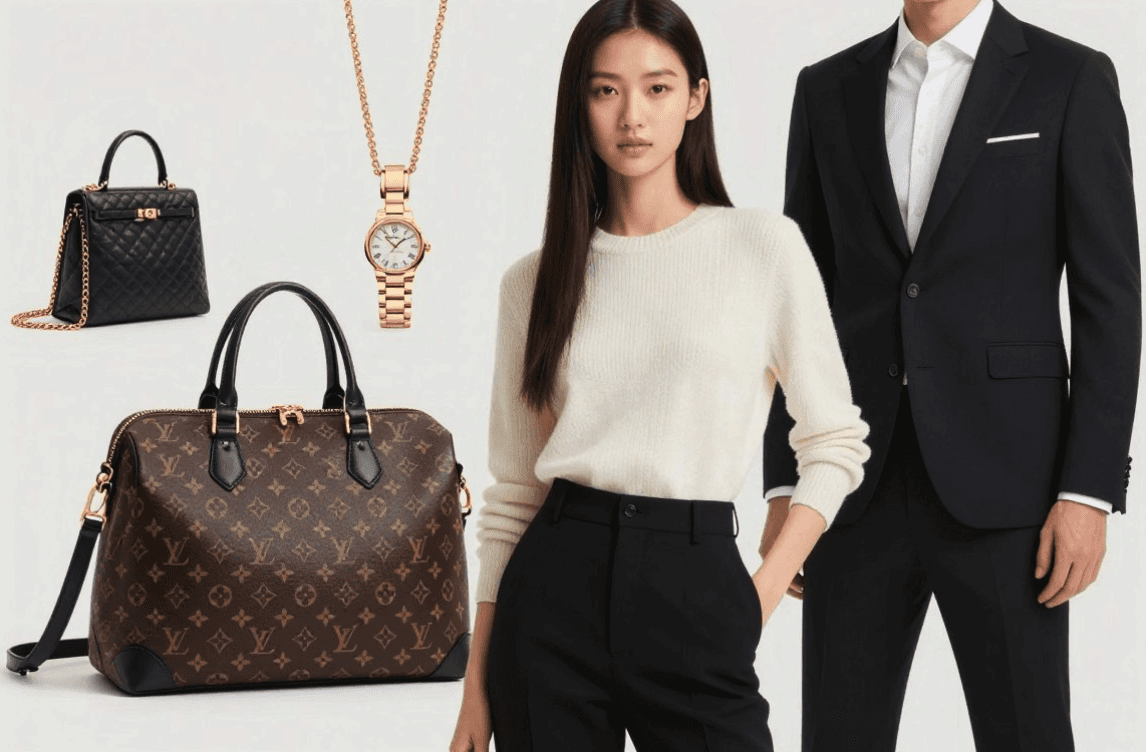
The quality threshold for advertising visuals continues rising as audiences become more sophisticated. Creatives must appear authentically photographic rather than obviously synthetic to maintain credibility and engagement.
Outer-Sphere's outputs achieve photorealistic quality suitable for demanding applications including paid social advertising, Google Shopping campaigns, and brand organic content. Each generated image undergoes quality evaluation to ensure it meets professional photography standards.
This realism proves essential for conversion optimisation. E-commerce performance depends on product presentation quality. Customers must trust that what they see accurately represents what they'll receive. Our AI-generated creatives maintain this trust while enabling far greater creative experimentation.
Rapid Iteration of Ad Creatives
Speed represents one of the most transformative aspects of ai creative workflows. Where traditional photoshoots require weeks of planning, execution, and post-production, AI generation delivers campaign-ready assets within days or hours.
This acceleration enables entirely new approaches to campaign development. Brands can test multiple creative directions simultaneously, gather early performance data, and refine based on actual audience response rather than pre-launch predictions.
For time-sensitive campaigns like seasonal launches or trending moment capitalization, this speed advantage proves decisive. Marketing teams can move from concept to market in timeframes traditional production cannot match.
No Model or Photographer Licensing Constraints
Traditional campaign production involves complex rights management. Model releases, photographer licensing, and usage rights create ongoing costs and restrictions on how creative assets can be deployed.
AI-generated creatives eliminate these constraints entirely. Brands own full rights to all generated imagery without model fees, photographer royalties, or usage limitations. This freedom enables unrestricted deployment across any platform, market, or time period.
For brands running global campaigns across numerous markets, this licensing simplification removes significant administrative overhead and ongoing cost considerations that accumulate with traditional content.
No Usage Fees Across Platforms or Markets
Extended usage fees represent a hidden cost in traditional campaign production. Licensing agreements often restrict creative deployment to specific platforms, regions, or time periods, requiring additional fees for expanded usage.
Outer-Sphere's AI creative production includes unlimited usage rights. Assets can be deployed across Meta, Google, TikTok, organic social, e-commerce platforms, email marketing, and any other channel without additional licensing costs or restrictions.
This flexibility proves particularly valuable for omnichannel marketing strategies where consistent creative needs to appear across diverse touchpoints simultaneously. Brands gain true creative asset ownership with complete deployment freedom.
Understanding how ad creatives ai applies across different marketing scenarios helps brands identify the highest-value implementation opportunities. These use cases span from full campaign production to specific tactical applications within existing marketing workflows.
AI-Generated Ad Campaigns
Complete campaign rollouts represent the most comprehensive application of creative ai technology. Brands can produce entire seasonal campaigns, product launch suites, or brand awareness initiatives through AI generation rather than traditional production.
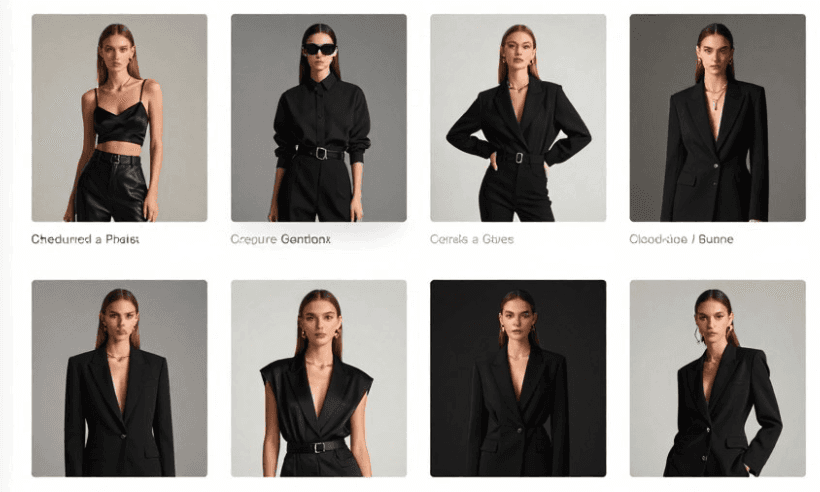
This approach works particularly well for campaigns requiring extensive asset variety. A new collection launch might demand hero imagery, product detail shots, lifestyle context images, and multiple platform-specific formats. AI generation creates this complete asset ecosystem from unified creative direction.
The process begins with creative briefing and concept development, just as traditional campaigns do. Art directors define visual mood, styling approach, composition preferences, and brand expression. From this foundation, the AI model generates comprehensive asset libraries covering all campaign needs.
Full campaign rollouts benefit from AI's consistency advantage. All assets share unified visual language because they generate from the same trained model and creative parameters. This consistency proves difficult to achieve across traditional multi-day photoshoots with varying conditions and personnel.
Platforms like Meta, Google, and TikTok each demand optimized creative formats. AI generation produces platform-native assets simultaneously rather than forcing post-production adaptation of assets originally created for different contexts. Each platform receives creatives designed specifically for its format and audience expectations.
Performance-Driven Creative Testing
Performance marketing thrives on data-driven optimization, but creative testing often lags behind targeting and bidding optimization due to production constraints. AI creative generation removes this bottleneck entirely.
Marketers can now generate 20, 50, or 100 creative variations exploring different hypotheses about what drives performance. Test concepts might include product presentation styles, lifestyle versus product focus, colour palette variations, or compositional approaches.
This abundance of testing options transforms creative development from intuition-based to data-informed. Rather than debating which creative direction will perform better, teams can test multiple approaches simultaneously and let audience response guide decisions.
The testing process accelerates dramatically because generating new variations requires minimal time and resources. If initial tests reveal promising signals in certain creative directions, marketers can immediately produce expanded variation sets exploring those directions further.
Fast iteration cycles mean campaigns continuously improve through ongoing creative refreshment. As creative fatigue sets in with existing ads, new variations deploy immediately rather than waiting for traditional production cycles to complete.
AI-Extended Campaigns
Many brands have existing photoshoot assets that represent significant production investment but lack the format diversity needed for comprehensive marketing deployment. AI creative technology can extend these existing shoots into new applications.
A single hero photoshoot can be extended into dozens of regional variations, seasonal adaptations, or platform-specific formats via AI generation, all while maintaining visual consistency with the original shoot's aesthetic.
This extension capability maximises return on existing production investment. Rather than commissioning entirely new shoots for each market or channel, brands leverage existing creative foundations and extend them intelligently through AI.
Regional market adaptation particularly benefits from this approach. Cultural context, seasonal relevance, and local aesthetic preferences can be incorporated into AI-generated variations while maintaining core brand creative from the original production.
Channel proliferation represents another extension opportunity. A campaign originally created for Meta can extend to TikTok, Pinterest, Google Shopping, and email marketing through AI-generated format variations that adapt to each channel's specific requirements while preserving campaign coherence.
Product-Focused Ad Creatives
Product storytelling requires multiple perspectives, contexts, and presentations to effectively communicate value and desirability. Traditional product photography captures what time and budget allow, often leaving gaps in the storytelling needs.
AI creative generation excels at comprehensive product visualization. Accessories, handbags, footwear, and other products can be shown in unlimited contexts, angles, and styling approaches without repeated physical photoshoots.
This capability proves particularly valuable for e-commerce where conversion depends heavily on product presentation quality and completeness. Customers need to see products from multiple angles, in various contexts, and styled in ways that help them envision ownership.
Product launches benefit enormously from AI creative capabilities. Rather than waiting for physical samples to arrive before creating marketing visuals, campaigns can deploy with AI-generated product imagery while manufacturing completes.
Seasonal product storytelling becomes far more dynamic when unlimited creative variations are possible. A handbag collection can be shown in spring styling, summer contexts, autumn colour palettes, and winter seasonal themes without requiring four separate photoshoots.
Pre-Launch Creative Production
Traditional product launch timelines create a dilemma. Marketing teams need creative assets to prepare campaigns, but physical samples often arrive too late for adequate campaign development and market preparation.
AI-generated campaign visuals solve this timing challenge by enabling full creative production before physical inventory exists. Design specifications and digital renderings provide sufficient input for AI models to generate campaign-ready imagery.
This pre-launch capability transforms go-to-market velocity. Marketing campaigns can launch immediately when products become available rather than delaying weeks for post-launch creative production to complete.
The advantage extends beyond timing to include strategic market testing. Brands can gauge market response to new products through marketing creative before committing to full production runs, reducing inventory risk.
Pre-launch creative production also enables more sophisticated campaign planning. Marketing teams have weeks rather than days to refine messaging, optimize creative approaches, and prepare comprehensive launch activations across all channels simultaneously.
Start with a Pilot Campaign
Experience how ai creative transforms your marketing capabilities through a focused pilot project. Outer-Sphere works with fashion and luxury brands to demonstrate tangible results before broader implementation. Discuss your specific campaign needs and creative challenges with Jonathan.
AI and Creativity: A New Creative Model
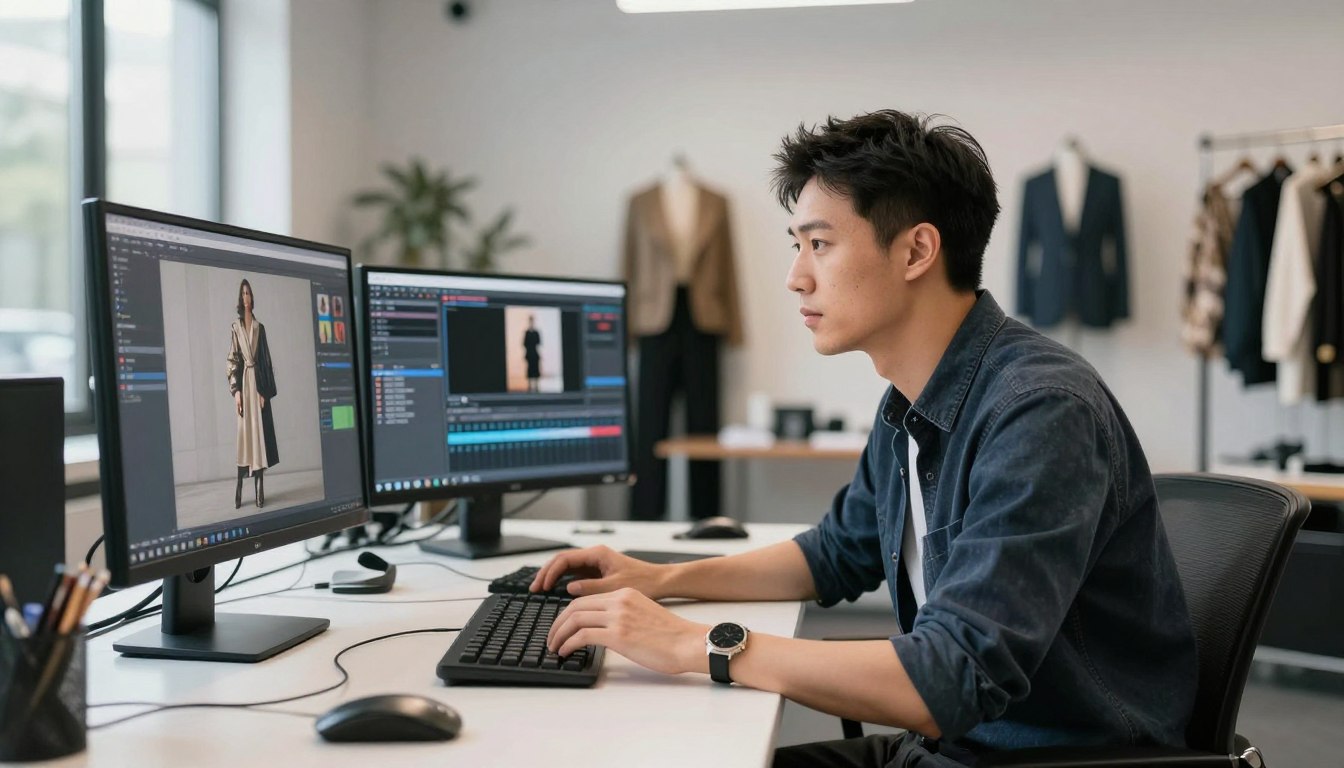
The emergence of ai and creativity as collaborative partners rather than competitive forces represents a fundamental evolution in how brands approach creative production. This new model distributes responsibilities according to where human expertise and AI capabilities each excel.
Human Direction Meets AI Execution
The most effective ai creative implementations position humans as strategic creative leaders and AI as execution engines. This division leverages human strengths in cultural understanding, brand intuition, emotional intelligence, and strategic thinking while utilizing AI advantages in speed, consistency, and variation generation.
Creative directors define the soul of campaigns: the emotional resonance, cultural relevance, brand positioning, and audience connection. These fundamentally human considerations shape creative briefs that guide AI generation rather than being replaced by it.
AI execution then operates within these human-defined parameters, generating multiple interpretations and variations that explore the creative space defined by art direction. This approach produces volume and variety impossible through traditional methods while maintaining human creative vision.
The workflow resembles an orchestra conductor relationship. The conductor (creative director) defines interpretation, tempo, and emotional expression while musicians (AI model) execute technically within that vision. Neither can produce optimal results without the other.
Outer-Sphere as Creative Brain Plus AI Engine
Outer-Sphere's positioning as both creative agency and AI technology provider reflects this human-AI partnership model. We're not a self-service AI tool requiring brands to figure out creative application themselves. We're a creative partner that happens to execute through advanced AI capabilities.
This distinction matters enormously for brand clients. You engage with experienced creative professionals who understand fashion, luxury positioning, and campaign development. The conversation centres on your creative objectives, brand vision, and marketing challenges, not AI technical specifications.
Our team translates your creative brief into AI generation parameters, reviews all outputs through experienced creative judgment, and delivers only assets that meet professional standards. You receive finished campaign materials, not raw AI outputs requiring extensive curation.
This full-service creative approach means brands gain AI efficiency advantages without needing internal AI expertise, creative technology knowledge, or dedicated resources to manage AI outputs. The creative process feels familiar even as the underlying production methodology represents cutting-edge innovation.
Curated Output, Not Automated Content
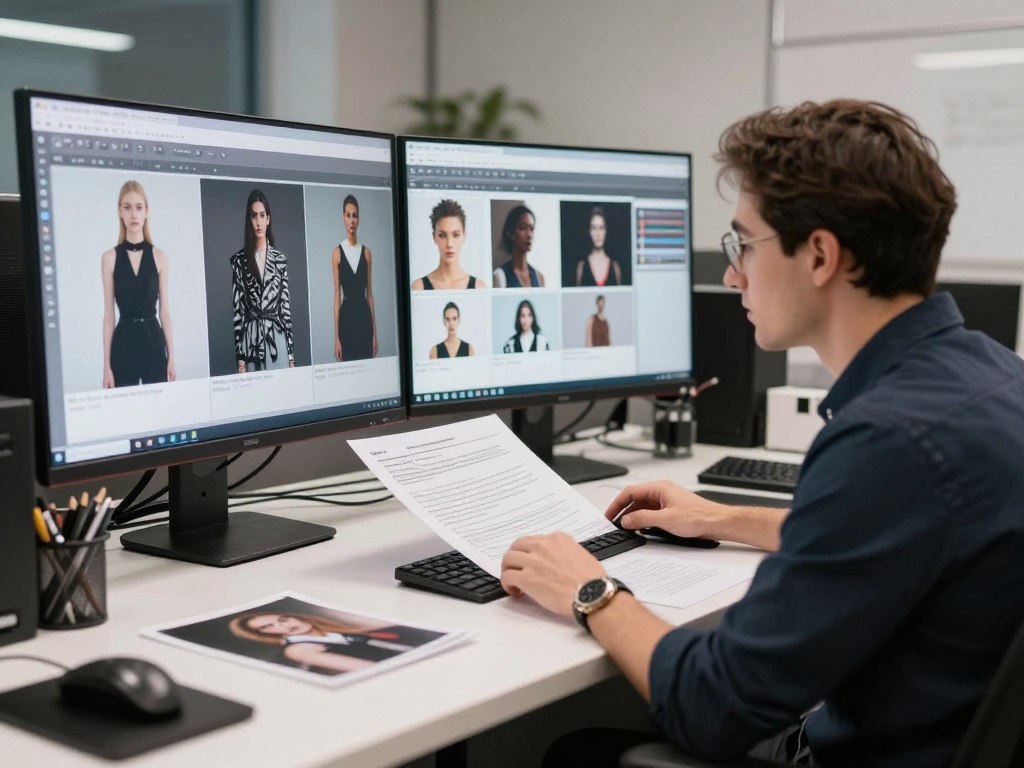
A critical distinction separates Outer-Sphere's approach from commodity AI content generation: curation. Every asset delivered to clients passes through experienced creative review, ensuring quality standards, brand appropriateness, and campaign effectiveness.
This curation process applies the same creative judgment that would evaluate traditional photoshoot outputs. Does the image effectively communicate brand positioning? Does it engage the target audience? Does it maintain technical quality standards? Does it work within the broader campaign context?
AI generation creates abundant options, but abundance requires intelligent selection. Our creative team reviews generated outputs, identifies the strongest executions, and often requests refinements or alternative generations to achieve optimal results.
This human curation layer protects brands from a common AI pitfall: technically proficient but creatively generic outputs. AI models excel at creating plausible imagery but lack judgment about what makes creative work strategically effective or emotionally resonant.
Brands receive finished assets meeting the same quality bar as traditional creative production, just delivered faster and with greater variation possibilities. The creative partnership model ensures AI serves your brand vision rather than you adapting to AI limitations.
Maintaining Creative Authenticity
Luxury and premium brands rightfully concern themselves with creative authenticity. Brand equity depends on distinctive creative expression that differentiates them in competitive markets. Generic creative undermines this differentiation.
The Outer-Sphere approach addresses authenticity by adapting brand-specific AI models. We don't use generic models to generate your creative. We adapt our foundational fashion-trained model to your specific brand aesthetic, creating essentially a custom AI creative engine for your brand.
This customisation process involves training on your existing brand imagery, approved campaigns, and visual guidelines. The adapted model learns your brand's unique creative language: preferred compositions, lighting approaches, colour palettes, mood, and styling choices.
The result is an AI-generated creative that feels yours authentically, not generic stock imagery with your products inserted. The model generates within your established brand aesthetic rather than imposing external creative conventions.
This brand specificity ensures that increasing creative production volume through AI doesn't dilute brand identity. Instead, it reinforces brand consistency by applying learned brand visual language across all generated assets.
Benefits for Brands
Understanding the tangible benefits of ad creative ai helps brands evaluate implementation priorities and expected returns. These advantages span operational efficiency, financial performance, creative capabilities, and strategic positioning.
Faster Campaign Rollout
Speed advantages represent perhaps the most immediately apparent benefit of ai creative production. Traditional campaign development timelines span weeks or months from concept through final delivery. AI-powered workflows compress this to days or even hours for certain applications.
This acceleration transforms how brands approach campaign planning and execution. Last-minute opportunities that traditional production timelines would force brands to pass on become viable when creative assets can generate rapidly.
Competitive response improves dramatically when creative production doesn't bottleneck reaction time. If competitors launch new initiatives or market conditions shift, brands using AI creative can respond with full campaigns while traditionally-constrained competitors are still planning photoshoots.
Seasonal campaign execution gains significant advantages from production speed. Rather than planning spring campaigns in autumn and hoping trend predictions prove accurate, brands can develop creative much closer to launch, incorporating actual market trends and customer insights.
Testing and optimization cycles accelerate proportionally. The traditional pattern of launching campaigns, gathering performance data, then waiting weeks for revised creative becomes continuous optimization where new creative variations deploy within days of identifying optimization opportunities.
Lower Production Costs
Financial advantages of ai creative extend beyond obvious cost comparisons to include hidden savings and improved marketing ROI. Traditional photoshoot budgets encompass photographer fees, model costs, location rentals, styling, equipment, post-production, and project management overhead.
AI creative production eliminates most of these cost categories entirely. No photographers, no models, no location scouting, no travel logistics, no equipment rentals. This cost structure transformation makes previously prohibitive creative volume economically viable.
The economic model shift proves particularly valuable for growing brands and e-commerce businesses where marketing budgets face pressure but creative needs continue expanding. AI creative production enables premium creative quality at sustainable cost structures.
Hidden savings emerge in areas beyond direct production costs. Rights management simplification, no usage fee escalation, elimination of reshoot costs when creative needs adjustment, and reduced project management overhead all contribute to total cost advantage.
Most significantly, the cost per creative asset decreases dramatically when production can generate dozens or hundreds of variations from single creative briefs. This economy of scale in creative production was previously impossible to achieve.
Infinite Creative Variations
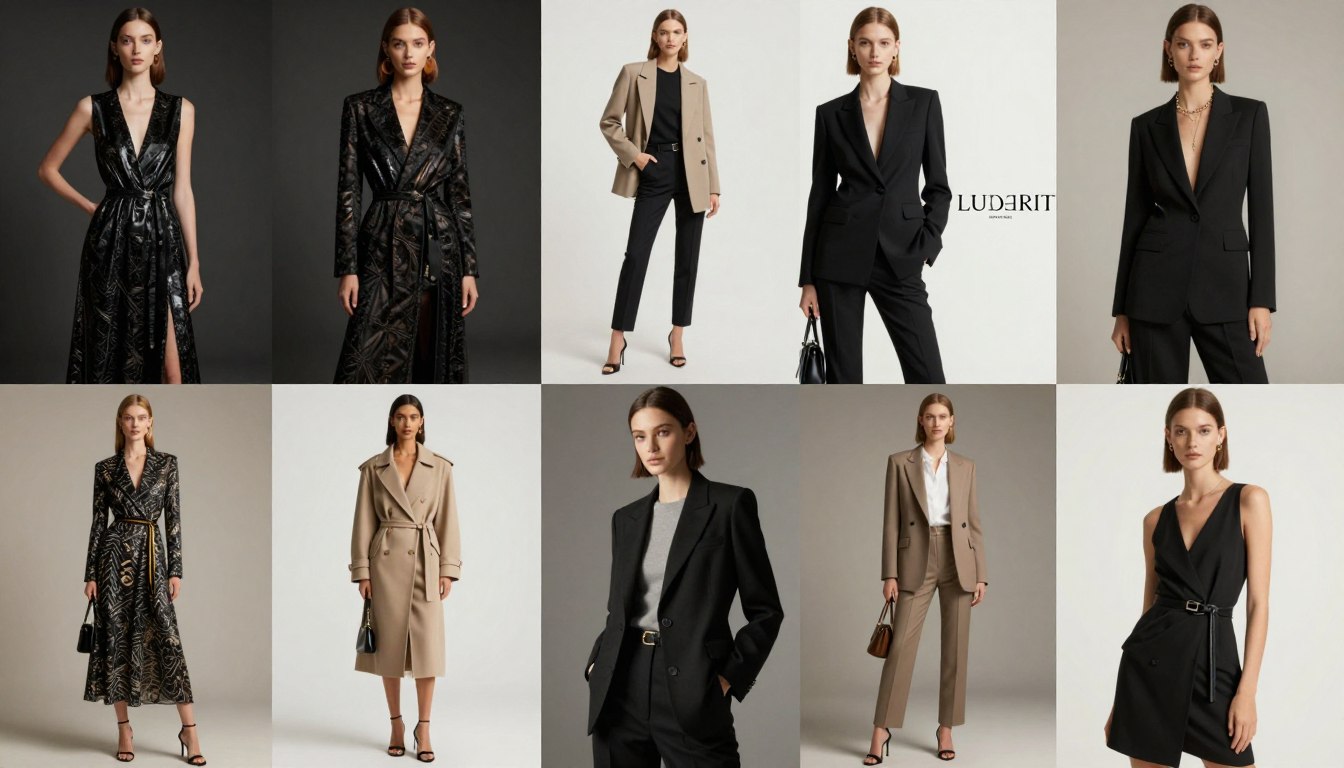
Performance marketing success increasingly depends on creative variation capability. Algorithms favour fresh content, audiences experience creative fatigue, and A/B testing requires multiple creative options to identify optimal approaches. AI creative technology removes variation constraints entirely.
Brands can explore creative territories previously inaccessible due to production limitations. Testing 50 headline variations matched with 30 visual treatments creates 1,500 unique creative combinations that traditional production could never accommodate but AI generation handles routinely.
This variation abundance transforms creative development from scarcity-constrained decision-making to abundance-enabled exploration. Rather than choosing which creative direction to pursue with limited production budgets, brands can pursue multiple directions simultaneously and let performance data guide optimisation.
Regional market customisation becomes economically viable when creative variations don't require proportional production cost increases. Global brands can create locally relevant creative for each market without traditional production budget multiplication.
Product range coverage improves when creative production can scale to match product catalogues rather than forcing selective coverage based on production constraints. E-commerce brands can ensure every product receives appropriate creative support across all marketing channels.
Scalable Global Campaigns
Global brand management faces inherent tension between maintaining brand consistency and adapting to local market relevance. Traditional production approaches force trade-offs between these objectives due to cost and complexity constraints.
AI creative technology resolves this tension by enabling scalable localisation. Core brand creative direction generates from central strategy, then adapts to regional preferences, cultural contexts, and local market trends through AI-powered variation.
This scalability extends beyond geographic markets to include channel proliferation. Brands operating across Meta, Google, TikTok, Pinterest, email, and e-commerce platforms can optimise creative for each channel without proportional production complexity increases.
Campaign velocity improves globally when creative production doesn't require coordinating photoshoots across multiple regions. Central creative teams can generate globally relevant campaigns that deploy simultaneously across all markets rather than staggered rollouts constrained by production logistics.
Market testing becomes feasible at a global scale. Brands can test campaign concepts across multiple markets simultaneously, identify regional performance patterns, and optimise accordingly without committing extensive production resources before validation.
Consistent Brand Identity Across Channels
Maintaining brand consistency across proliferating marketing channels represents an ongoing challenge for modern brands. Each platform demands specific formats, content approaches, and creative conventions while brand equity depends on coherent identity across all touchpoints.
AI creative models trained on specific brand guidelines ensure consistency by applying learned brand visual language across all generated content, regardless of output format or destination platform. This systematic approach to brand consistency proves more reliable than human execution across distributed teams and agencies.
The consistency advantage extends to campaign execution across time. Brands can ensure that campaign creative deployed in month three maintains visual coherence with the launch creative from month one, even as new variations are generated continuously throughout the campaign period.
Quality standardisation occurs naturally when a trained AI model produces all creative assets. Variation exists in composition, styling, and creative interpretation, but fundamental brand identity elements remain consistent because the underlying generation model embeds these constants.
This consistency enables confident brand building through volume. More creative touchpoints strengthen brand recognition rather than diluting it through inconsistent execution, because AI creative scales consistent brand expression rather than multiplying variable human interpretation.
Traditional vs AI Ad Creative
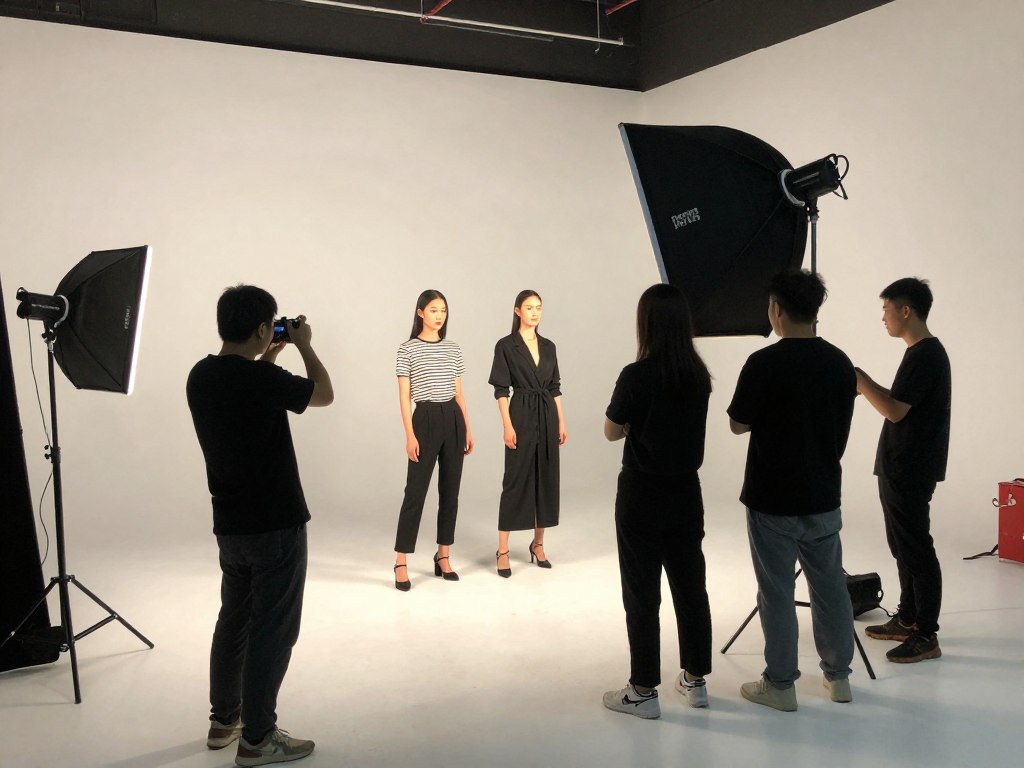
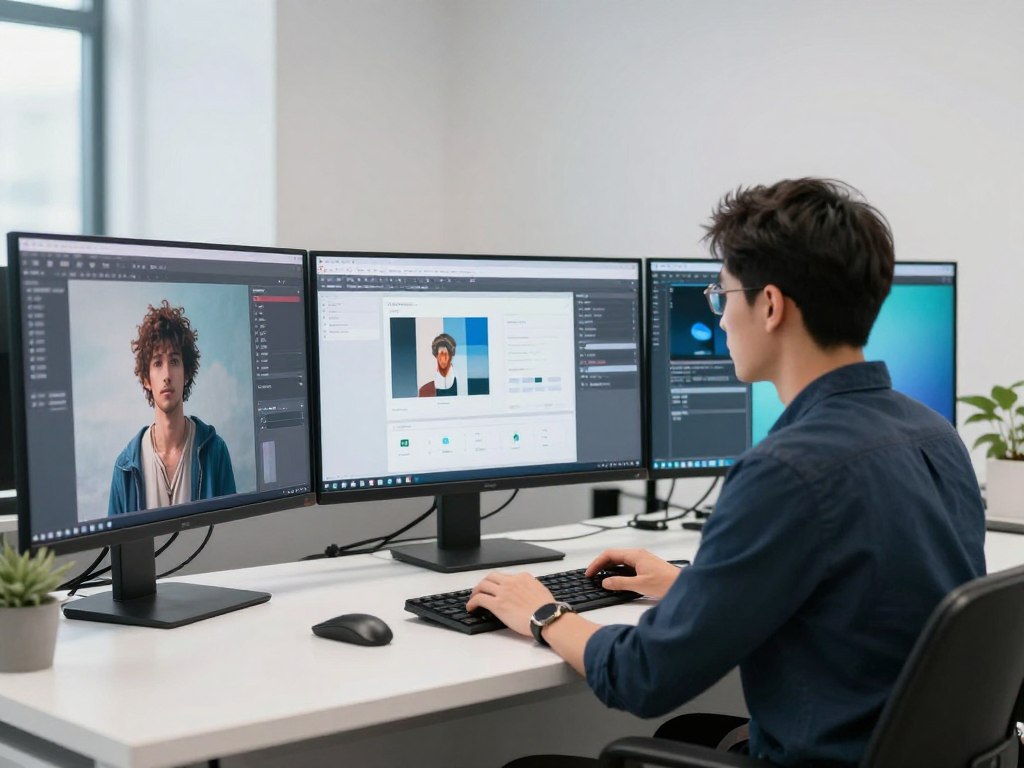
Understanding the practical differences between traditional photoshoot production and AI creative generation helps brands evaluate which approach suits specific campaign needs. Both methodologies have appropriate applications, with AI creative increasingly becoming the default choice for many scenarios.
Production Speed Comparison
Traditional photoshoots require extensive lead time. Location scouting, talent booking, equipment arrangement, styling coordination, and schedule alignment typically demand 2-4 weeks minimum before shoot day. Post-production adds another 1-2 weeks for retouching and final asset delivery.
Campaign timelines from initial brief to final assets span 6-10 weeks for traditional production. This duration assumes smooth execution without complications, delays, or required reshoots. Complex productions often extend timelines further.
AI creative production compresses this timeline dramatically. Initial creative brief to final asset delivery occurs within 3-7 days for most applications. Urgent projects can deliver within 24-48 hours when necessary, though this abbreviated timeline limits creative exploration opportunity.
The speed advantage proves most valuable for time-sensitive campaigns, responsive marketing to trending moments, rapid testing of creative hypotheses, and continuous creative refreshment to combat audience fatigue in performance campaigns.
Cost Structure Analysis
Traditional Photoshoot Costs
Photographer fees (£2,000-£10,000+ per day)
Model costs (£500-£5,000+ per day depending on talent level)
Studio or location rental (£500-£3,000+ per day)
Styling and wardrobe (£1,000-£5,000+)
Hair and makeup artists (£500-£2,000 per day)
Lighting equipment and technical crew
Post-production and retouching (£100-£500+ per image)
Usage rights and licensing fees (ongoing costs)
Project management and coordination overhead
AI Creative Production Costs
Creative direction and art direction (included in project fee)
AI generation and iteration (scales efficiently with volume)
Creative review and curation (ensures quality standards)
Unlimited usage rights included (no ongoing licensing)
No model fees or photographer costs
No location or equipment rental expenses
No post-production delays or reshoot costs
Predictable project pricing regardless of asset quantity
Minimal project management overhead
Total cost comparisons typically show AI creative production delivering 60-80% cost savings over equivalent traditional production, with savings increasing proportionally with creative volume. The economic advantage proves most pronounced for campaigns requiring extensive variation or ongoing creative refreshment.
Flexibility and Iteration
Traditional photoshoots are inflexible by nature. What is captured during the shoot day represents available creative options. Desired changes after the fact require either working within existing imagery constraints or commissioning additional shoots.
This inflexibility creates pressure to get everything right during production, often leading to overly cautious creative approaches that prioritise safe execution over bold creative exploration. The cost and complexity of reshoots discourage creative risk-taking.
AI creative production inverts this dynamic entirely. Iteration costs approach zero, encouraging creative exploration and refinement. Initial generation provides starting points for creative discussion, with subsequent iterations refining direction based on stakeholder feedback and strategic considerations.
This flexibility enables creative development processes that are more akin to design iteration than to traditional production finality. Brands can explore multiple creative territories, evaluate options against campaign objectives, and refine direction throughout the process rather than committing upfront to single creative approaches.
Performance optimisation benefits enormously from iteration flexibility. When campaign data reveals opportunities to improve creative performance through specific adjustments, AI generation can immediately produce refined variations incorporating these insights.
Performance Testing Capabilities
Performance marketing methodology depends on systematic testing to identify optimal approaches across targeting, messaging, creative, and placement variables. Creative testing traditionally lags behind other optimisation dimensions due to production constraints.
Traditional production economics discourage extensive creative testing. Commissioning five different creative approaches for systematic testing costs five times a single production budget, making such exploration prohibitively expensive for most brands.
AI creative generation eliminates this testing constraint. Producing 50 creative variations costs marginally more than producing five, enabling sophisticated creative testing methodologies previously accessible only to brands with massive production budgets.
This testing capability transforms creative development from intuition-based to data-informed. Rather than creative teams debating which approach will perform best, brands can test systematically and let actual audience response guide creative investment.
Multi-variable testing becomes practical when creative variation generation scales efficiently. Brands can test different products, headlines, compositions, colour treatments, and styling approaches across thousands of combinations to identify optimal formulas.
When Traditional Production Remains Optimal
Despite significant AI advantages across many dimensions, certain scenarios favour traditional photoshoot production. Understanding these use cases helps brands deploy each methodology appropriately.
Hero campaign creative for major brand initiatives often benefits from traditional production's ability to create distinctive, highly crafted imagery with precise control over every element. Flagship campaigns representing significant brand investments merit production approaches that maximise creative distinction.
Complex technical product photography that requires precise product representation may perform better with traditional methods, though AI capabilities in this area continue to improve rapidly. Products with intricate details, specific material properties, or technical accuracy requirements sometimes require traditional approaches.
Celebrity or influencer collaborations require traditional production when the value of the collaboration depends on authentic personal involvement. While AI could theoretically generate these images, the marketing value derives from genuine participation.
Authenticity storytelling for brand campaigns emphasising craftsmanship, heritage, or behind-the-scenes narratives benefits from traditional production that captures genuine environments, processes, and people. These contexts carry marketing value beyond pure visual output.
However, even these traditional production scenarios increasingly incorporate AI-driven creative extensions to maximise investment returns. A flagship photoshoot might capture hero images traditionally, while AI generation extends these into comprehensive campaign asset libraries.
Frequently Asked Questions
What is ad creative AI?
Ad creative AI refers to artificial intelligence technology specifically designed to generate advertising creative assets, including campaign imagery, product visuals, and marketing content. Unlike generic AI image generation, ad creative AI focuses on producing commercial-quality outputs optimised for advertising performance across platforms like Meta, Google, TikTok, and e-commerce channels.
For fashion and luxury brands, specialised ad creative AI models train on high-end imagery to understand premium aesthetics, ensuring generated content maintains brand positioning standards while enabling rapid campaign production and extensive creative variation capabilities.
How does AI improve ad performance?
AI improves ad performance through several mechanisms. First, it enables extensive creative testing by generating multiple variations efficiently, allowing brands to identify the highest-performing creative approaches through systematic A/B testing rather than limited intuition-based selection.
Second, AI creative facilitates continuous creative refreshment, which combats audience fatigue that degrades campaign performance over time. Performance marketing algorithms favour fresh content, and AI-driven content generation enables the regular deployment of new creative, maintaining campaign effectiveness.
Third, AI allows rapid optimisation iteration. When performance data reveals insights about effective creative elements, new variations incorporating these insights can be deployed within days rather than waiting weeks for traditional production cycles, maintaining campaign momentum.
Can AI-generated ads replace traditional shoots?
AI-generated ads increasingly handle scenarios previously requiring traditional photoshoots, particularly for performance marketing, creative testing, product-focused advertising, and high-volume campaign production. The technology excels at generating variations, enabling rapid iteration, and producing platform-optimised formats efficiently.
However, certain applications still favour traditional production, including flagship brand campaigns requiring maximum creative distinction, complex technical product photography with precise material representation needs, and authenticity storytelling where the production process itself carries marketing value.
The most sophisticated approach combines both methodologies strategically. Traditional production might capture hero campaign imagery, while AI generation extends this into comprehensive asset libraries, maximises production ROI by creating variation, and handles ongoing campaign optimisation needs.
Is AI creative suitable for luxury brands?
AI creative proves highly suitable for luxury brands when implemented through specialised models trained specifically on premium aesthetics rather than generic AI tools. Outer-Sphere's proprietary model trains exclusively on fashion and luxury imagery, ensuring outputs understand premium brand positioning requirements.
Luxury brand suitability depends on maintaining rigorous creative standards through expert art direction and quality curation rather than automated output acceptance. Professional creative teams must review all AI-generated assets through experienced judgment, ensuring brand appropriateness and premium quality standards before deployment.
Leading luxury brands increasingly adopt AI creative for specific applications, including performance marketing where creative volume requirements exceed traditional production economics, pre-launch visualisations before samples exist, and regional market customisation requiring extensive localised variations, while maintaining brand consistency.
How quickly can ad creatives be produced?
AI creative production timelines vary based on project scope and creative complexity. Standard campaign production, from initial brief to final asset delivery, typically completes within 3-7 days, representing an 80-90% time reduction compared to traditional photoshoot timelines.
Urgent projects can deliver within 24-48 hours when necessary, though abbreviated timelines limit creative exploration opportunity and may require more iterative refinement cycles. Large-scale campaign productions requiring extensive art direction development and brand model training may take 2-3 weeks for initial setup, with subsequent campaigns benefiting from established foundations.
Ongoing campaign optimisation proceeds even faster. Once creative direction is established, generating new variations to refresh existing campaigns or test performance hypotheses can occur within hours, enabling continuous optimisation impossible with traditional production constraints.
What input do brands need to provide?
Brands provide creative briefs similar to traditional campaign development: campaign objectives, target audience definition, key messages, visual mood preferences, and desired outcomes. Existing brand guidelines, previous approved campaigns, and product assets help train brand-specific AI models.
The process begins with a creative consultation where Outer-Sphere's team discusses brand vision, campaign context, and specific requirements. This consultation informs AI generation parameters while ensuring outputs align with brand positioning and marketing objectives.
Product imagery or digital renderings provide input for product-focused creative. Mood boards, reference imagery, or specific creative direction guidance help refine the visual approach. However, extensive technical knowledge of AI systems is unnecessary, as Outer-Sphere handles the technical implementation.
How does pricing compare to traditional production?
AI creative production typically delivers 60-80% cost savings compared to equivalent traditional photoshoot production, with savings increasing proportionally to creative volume requirements. Traditional shoots incur photographer fees, model costs, location rentals, styling expenses, and post-production charges, all of which AI generation eliminates entirely.
Importantly, AI creative pricing includes unlimited usage rights without ongoing licensing fees, model royalties, or platform-specific usage charges. This ownership structure provides additional value beyond direct production cost comparison, particularly for global campaigns across multiple channels.
Project pricing structures around creative scope and complexity rather than per-asset costs, making extensive variation economically viable. Brands can generate 50 creative variations for marginally more than it costs to produce five, fundamentally changing the economics of creative testing.
Transform Your Campaign Production
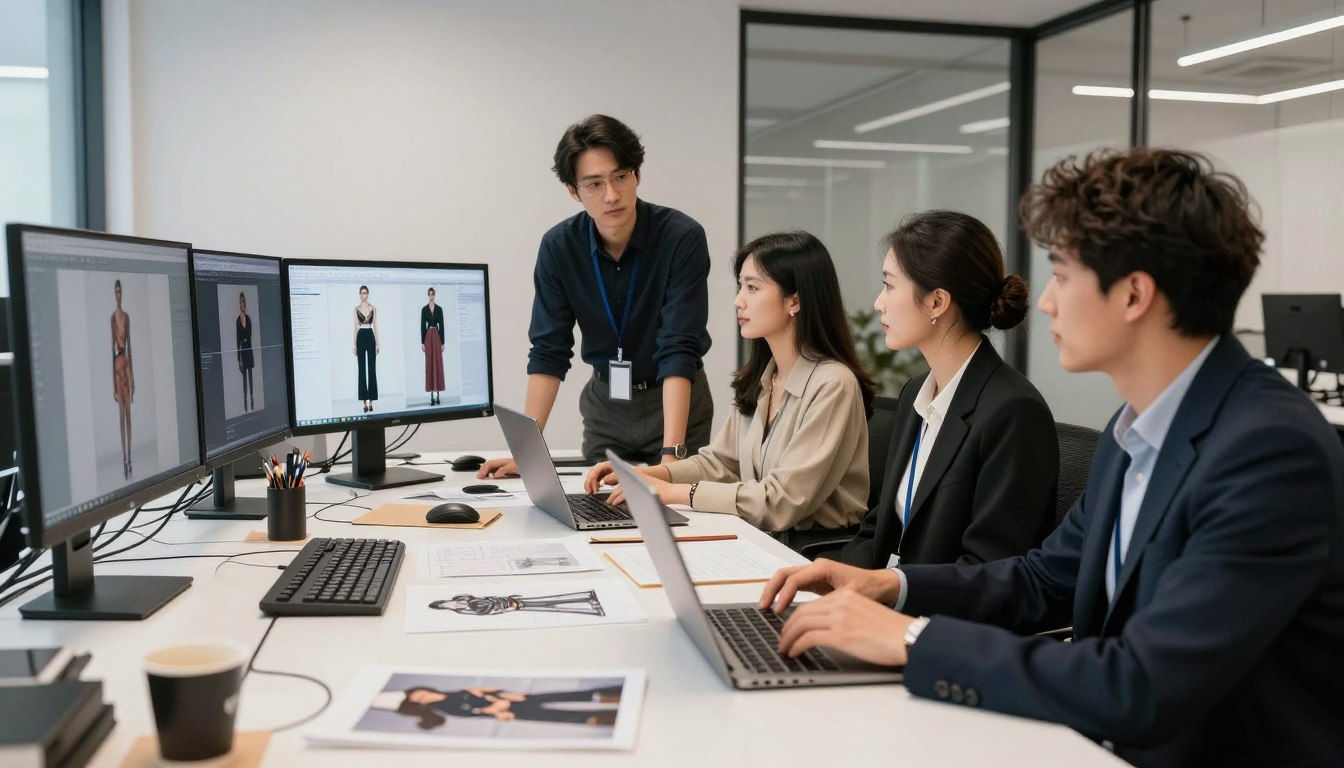
The competitive landscape for fashion, luxury, and e-commerce brands continues to intensify. Marketing success depends increasingly on creative agility, performance optimisation velocity, and the ability to maintain brand consistency across proliferating channels while managing sustainable production economics.
Ad creative AI represents more than incremental efficiency improvement. This technology enables fundamentally different approaches to campaign development, creative testing, and market responsiveness, creating competitive advantages beyond cost and time savings.
Outer-Sphere brings specialised expertise in applying this technology specifically to premium brand contexts. Our proprietary AI models train exclusively on fashion and luxury aesthetics; our creative team brings deep category experience; and our partnership approach ensures that brand vision guides implementation rather than technology constraints limiting creative ambition.
Beginning with Focused Pilot Campaigns
Most brands benefit from beginning AI creative implementation with focused pilot campaigns that address specific high-value scenarios. This approach demonstrates tangible results, builds internal confidence in the methodology, and establishes workflows before broader deployment.
Ideal pilot applications include upcoming seasonal campaigns that require extensive asset variety, performance marketing initiatives that demand systematic creative testing, product launches that need pre-production creative development, or existing campaigns that require creative refreshment to combat performance fatigue.
Pilots typically complete within 2-3 weeks, from initial consultation through final asset delivery, providing sufficient scope to evaluate the impact of AI on creative performance, production efficiency, and creative workflow without requiring extensive organisational commitment upfront.
Long-Term Creative Partnership
The greatest value from AI creative technology emerges through sustained implementation rather than one-off projects. Brands developing ongoing relationships with specialised partners like Outer-Sphere build competitive advantages through accumulated brand knowledge, refined creative processes, and continuous learning from optimisation.
Long-term partnerships enable brand-specific AI model development that learns your unique visual language, maintains consistency across campaigns over time, and generates increasingly refined outputs as understanding of your brand aesthetic deepens through accumulated experience.
Strategic creative partners provide value beyond production execution, including campaign planning and consultation, creative strategy development, performance optimisation recommendations, and ongoing innovation as AI creative capabilities continue to advance rapidly.
Discuss Your Creative Challenges
Every brand faces unique creative production challenges and campaign requirements. Jonathan and the Outer-Sphere team specialise in developing tailored AI creative solutions for fashion, luxury, and e-commerce brands. Begin with a conversation about your specific situation, campaign objectives, and how Ad Creative AI might transform your marketing capabilities.
The evolution toward AI-powered creative production represents an inevitable industry transformation rather than a temporary trend. Brands establishing AI creative capabilities now build advantages that compound over time through accumulated learning, refined processes, and competitive positioning, as laggards struggle to catch up later.
Outer-Sphere exists to guide fashion, luxury, and premium e-commerce brands through this transformation while maintaining the creative excellence and brand integrity that define category success. Our specialised focus ensures you gain AI advantages without compromising brand standards or creative vision.

Cross the threshold. Enter the fold of uncompromising visionaries.
By submitting, you agree to our Terms and Privacy Policy.